
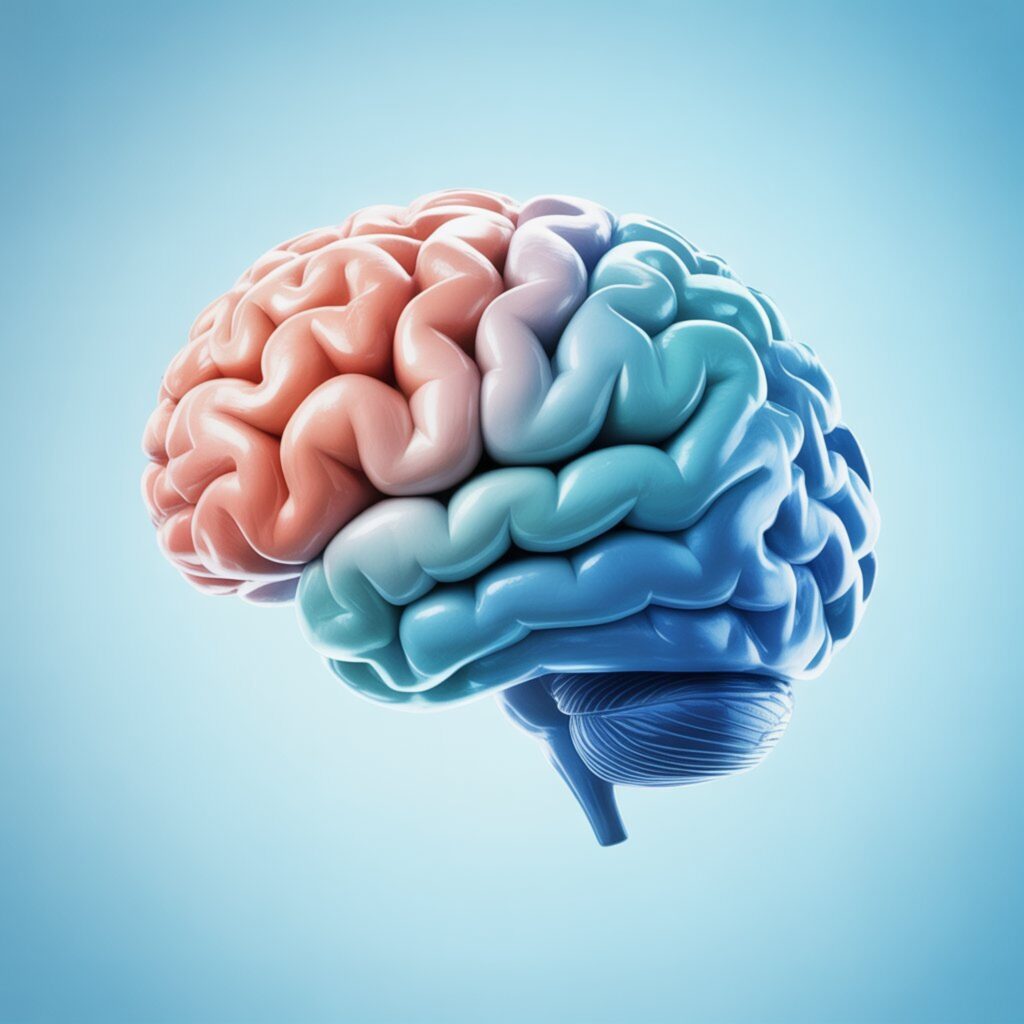
Mental Illness is a broad term used to describe conditions that significantly affect a person’s thoughts, emotions, behavior, and daily functioning. These disorders can influence how individuals handle stress, relate to others, and make decisions throughout life. Common forms of mental health disorders include depression, anxiety, bipolar disorder, and schizophrenia.
Factors such as psychological disorders, genetics, trauma, and environmental stressors often contribute to their development. Although brain health challenges are common worldwide, stigma and lack of awareness still prevent many people from seeking help. Understanding symptoms, causes, and treatment options is essential for early intervention, recovery, and improving overall emotional well-being.
Modern healthcare is evolving rapidly with the help of artificial intelligence. Beginners can explore how automation works in our complete guide on AI automation for beginners.
Mental illness affects thoughts, emotions, and behavior. It includes conditions like depression, anxiety, and schizophrenia. Early diagnosis and treatment improve recovery and quality of life.
Definition of Mental Illness
Mental illness, also known as a mental disorder or mental health condition, refers to a clinically significant disturbance in cognition, emotional regulation, or behavior. These disturbances are often associated with distress, disability, or impairment in social, occupational, or personal functioning.
Mental disorders may appear as short-term episodes or long-term conditions. Some are mild and manageable, while others may be severe and require ongoing care. Importantly, mental illness exists on a spectrum, meaning symptoms and severity can vary widely from person to person.
Mental illness worldwide affects millions of people and is a major global health concern according to international health organizations.
Mental Disorder vs Mental Illness
The terms mental disorder and mental illness are often used interchangeably. In clinical practice, “mental disorder” is commonly used in diagnostic manuals such as the DSM-5 and ICD-11, while “mental illness” is more widely used in everyday language. Both terms describe conditions that affect mental functioning and quality of life.
According to the World Health Organization (WHO), mental illness is one of the leading causes of disability worldwide.
Nervous Illness and Mental Breakdown
Terms like nervous breakdown or nervous illness are not formal medical diagnoses. They are commonly used to describe periods of extreme stress, emotional exhaustion, anxiety, or depression. Mental health professionals now prefer terms such as mental health crisis, which better reflect the clinical nature of these experiences.
Types of Mental Disorders
Mental illnesses are classified into several major categories based on symptoms, causes, and patterns of behavior.
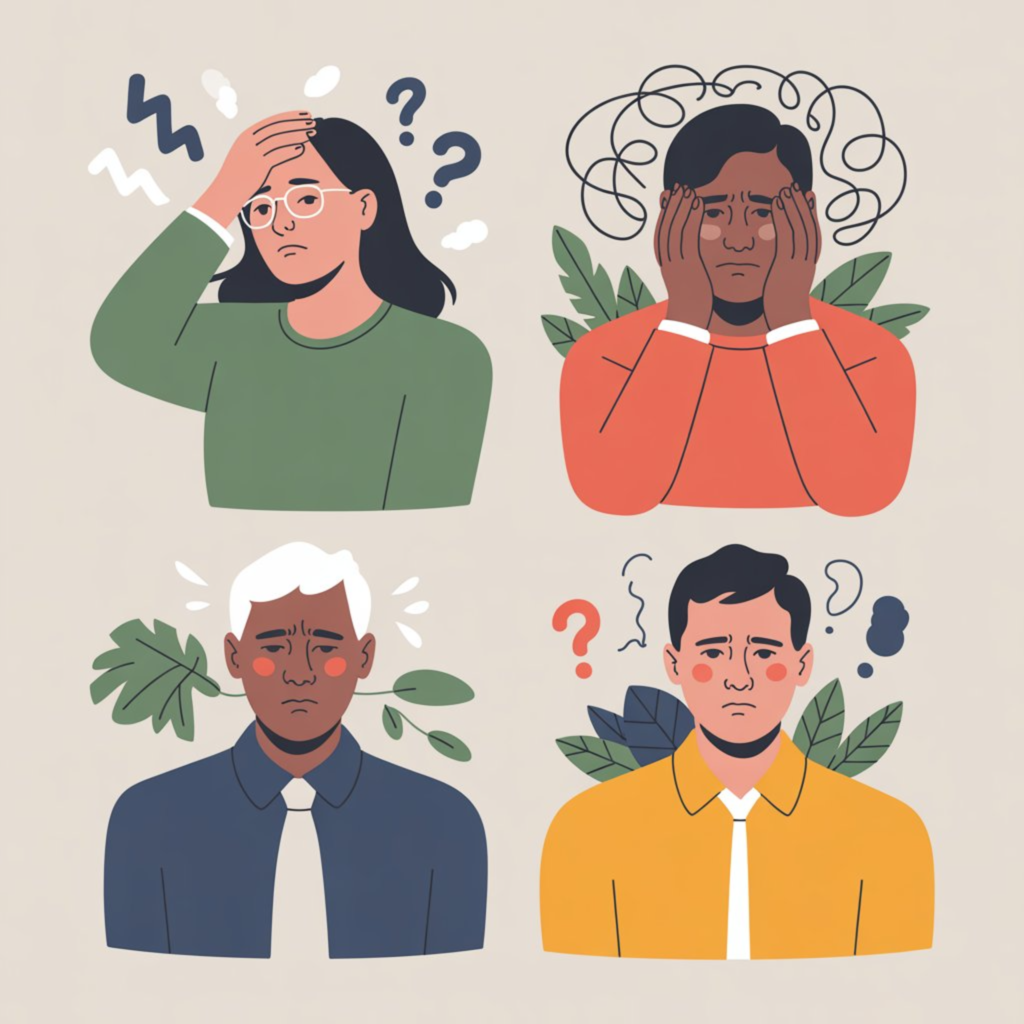
Anxiety Disorders
Anxiety disorders involve excessive fear, worry, or nervousness that interferes with daily activities. Common examples include generalized anxiety disorder, panic disorder, social anxiety disorder, phobias, obsessive-compulsive disorder (OCD), and post-traumatic stress disorder (PTSD).
Mood Disorders
Mood disorders primarily affect emotional state. Major depressive disorder causes persistent sadness, loss of interest, and low energy. Bipolar disorder involves alternating episodes of depression and mania or hypomania, characterized by elevated mood, impulsivity, and increased activity.
Psychotic Disorders
Psychotic disorders affect a person’s perception of reality. Symptoms may include hallucinations, delusions, disorganized thinking, and impaired insight. Schizophrenia and schizoaffective disorder are common examples.
Personality Disorders
Personality disorders involve long-term patterns of thinking and behavior that differ significantly from cultural expectations. These patterns often cause problems in relationships and self-image. Examples include borderline personality disorder, narcissistic personality disorder, and antisocial personality disorder.
Neurodevelopmental Disorders
Neurodevelopmental disorders typically begin in childhood and affect brain development. These include attention-deficit hyperactivity disorder (ADHD), autism spectrum disorder (ASD), learning disabilities, and intellectual disability.
Eating Disorders
Eating disorders are serious mental health conditions related to unhealthy eating behaviors and body image. Anorexia nervosa, bulimia nervosa, and binge-eating disorder can cause severe physical and psychological complications.
Sleep Disorders
Sleep disorders involve problems with sleep quality, timing, or duration. Common conditions include insomnia, sleep apnea, narcolepsy, and restless leg syndrome. Poor sleep can significantly worsen mental health.
Substance Use Disorders
Substance use disorders involve the harmful or uncontrolled use of alcohol, drugs, or medications. These disorders often coexist with anxiety, depression, and other mental illnesses.
Signs and Symptoms of Mental Illness
Symptoms of mental illness vary depending on the condition but may include persistent sadness, excessive fear, mood changes, withdrawal from social activities, difficulty concentrating, changes in sleep or appetite, and feelings of hopelessness.
Course of Mental Disorders
Some mental illnesses are episodic, while others may be chronic. Early intervention and consistent treatment greatly improve outcomes. Recovery does not always mean the absence of symptoms; it often means managing symptoms effectively and maintaining a good quality of life.
Disability and Daily Life Impact
Mental illness can affect daily functioning, relationships, education, and employment. In severe cases, it may lead to disability. However, with proper support and accommodations, many individuals successfully manage their conditions
Causes and Risk Factors of Mental Illness
Mental illness usually results from a complex interaction of biological, psychological, and social factors.
Scientific mental health research shows that genetics, environment, and brain chemistry all contribute to mental disorders.
Genetic Factors
Family history can increase the risk of certain mental disorders. Genetics influence brain chemistry and stress responses, making some individuals more vulnerable.
Environmental Factors
Trauma, abuse, neglect, chronic stress, poverty, and social isolation are significant contributors to mental illness. Early childhood experiences play a crucial role in mental health development.
Drug and Substance Use
Alcohol and drug use can trigger or worsen mental health conditions. Substance use may also mask underlying disorders, delaying diagnosis and treatment.
Chronic Diseases
Long-term physical illnesses such as diabetes, heart disease, or cancer increase the risk of depression and anxiety due to biological and emotional stress.
Personality Traits and Psychological Factors
High emotional sensitivity, pessimism, or difficulty coping with stress can increase vulnerability to mental health disorders.
Diagnosis of Mental Disorders
Mental illness is diagnosed by trained mental health professionals through clinical interviews, behavioral assessments, and psychological tests. Diagnosis considers symptoms, duration, severity, and impact on daily life.
Criticism of Psychiatric Diagnosis
Some experts argue that mental health diagnoses rely heavily on subjective judgment. While diagnostic manuals provide guidelines, clinical expertise and cultural context remain essential.
MRI and Brain Imaging in Diagnosis
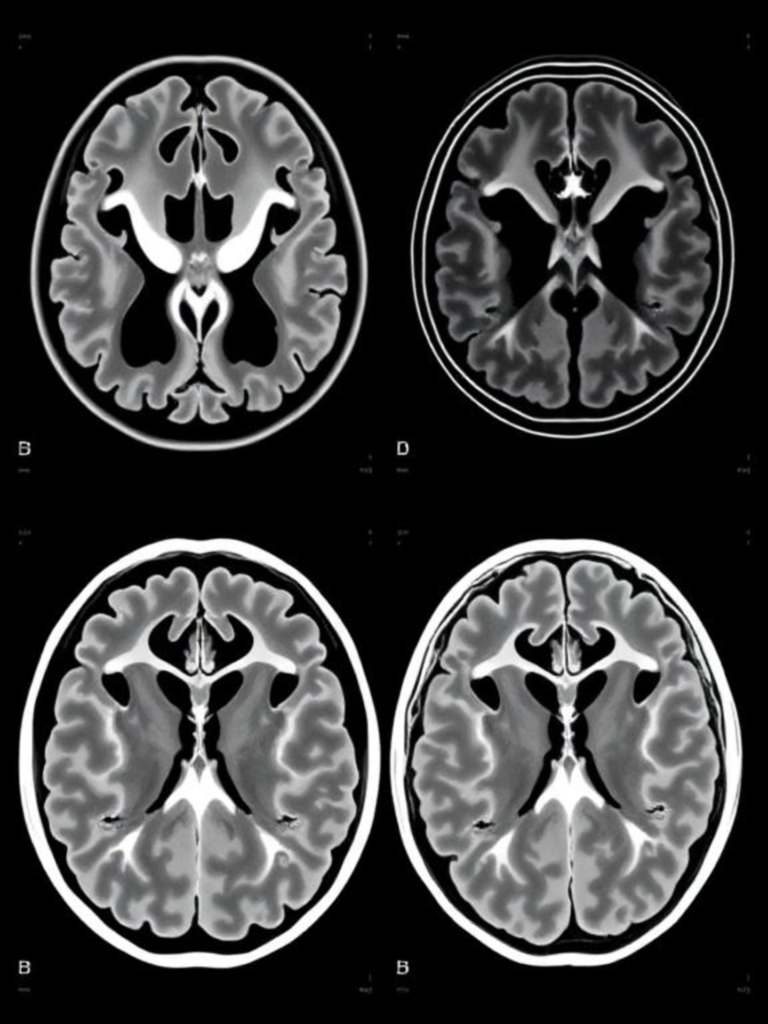
Although brain imaging techniques like MRI and fMRI are valuable in research, they are not yet routinely used for diagnosing mental illnesses due to limited specificity and high costs.
MRI (Magnetic Resonance Imaging) is a non-invasive imaging technique widely used for accurate diagnosis of neurological and mental health related conditions
Prevention of Mental Illness
Preventive strategies include stress management, healthy parenting, early childhood support, mental health education, and community-based interventions. Promoting emotional resilience and social support can significantly reduce the risk of mental disorders.
Treatment and Management of Mental Illness

Effect treatment often involves a combination of approaches tailored to the individual.
Understanding the symptoms and treatment of mental illness helps individuals seek timely professional support.
Lifestyle Changes
Regular exercise, balanced nutrition, adequate sleep, and stress reduction techniques positively impact mental health.
Psychotherapy
Psychotherapy helps individuals understand thoughts, emotions, and behaviors. Cognitive behavioral therapy (CBT), dialectical behavior therapy (DBT), and interpersonal therapy are widely used and evidence-based.
Medications
Psychiatric medications such as antidepressants, antipsychotics, mood stabilizers, and anxiolytics help manage symptoms. Medication should always be supervised by a qualified professional.
Other Treatments
In severe cases, treatments like electroconvulsive therapy (ECT), counseling, peer support, and rehabilitation programs may be recommended.
Mental Illness and Society
Mental illness affects not only individuals but also families and communities. Cultural beliefs, stigma, and discrimination often prevent people from seeking help. Education and awareness are essential to creating inclusive and supportive societies.
Mental Health vs Mental Illness
Mental health refers to overall emotional and psychological well-being, while mental illness refers to diagnosable conditions. Good mental health does not mean the absence of problems, but the ability to cope effectively with life’s challenges.
Conclusion
Mental illness is a complex but manageable aspect of human health. With accurate information, compassionate care, and evidence-based treatment, recovery is possible. Reducing stigma, improving access to mental health services, and promoting early intervention are key steps toward a healthier society.
Seeking professional help early can greatly improve recovery and overall mental well-being.
(FAQs)
1. What is mental illness?
Mental illness refers to health conditions that affect a person’s thinking, emotions, mood, or behavior. These conditions can interfere with daily life, relationships, and work performance and may require professional treatment.
2. What are the most common types of mental illness?
Common mental illnesses include depression, anxiety disorders, bipolar disorder, schizophrenia, post-traumatic stress disorder (PTSD), and obsessive-compulsive disorder (OCD).
3. What causes mental illness?
Mental illness is caused by a combination of factors such as genetics, brain chemistry, trauma, chronic stress, substance abuse, and environmental influences. No single factor is responsible.
4. Can mental illness be cured?
Some mental illnesses can be fully treated, while others are managed long-term. With proper therapy, medication, and lifestyle changes, many people experience significant improvement and lead normal lives.
5. How is mental illness diagnosed?
Mental illness is diagnosed by mental health professionals through clinical interviews, symptom evaluation, and psychological assessments based on recognized diagnostic criteria.
6. What are early signs of mental illness?
Early signs may include persistent sadness, excessive fear, mood swings, social withdrawal, sleep problems, difficulty concentrating, or changes in behavior and appetite.
7. Is mental illness a sign of weakness?
No, mental illness is not a sign of weakness. It is a medical condition influenced by biological and psychological factors, just like physical illnesses.
8. How can mental illness be treated?
Treatment may include psychotherapy, medication, lifestyle changes, stress management, and social support. The treatment plan depends on the type and severity of the condition.
9. Can lifestyle changes improve mental health?
Yes, regular exercise, healthy diet, proper sleep, mindfulness, and avoiding substance abuse can greatly support mental health and improve treatment outcomes.
10. When should someone seek help for mental illness?
A person should seek help if symptoms persist, worsen, or interfere with daily life. Early professional support leads to better recovery and prevents complications.