
Introduction
Recently, news about the Nipah Virus 2026 outbreak in India has raised public health concerns across South Asia. Health authorities have reported confirmed cases, leading to increased monitoring and awareness campaigns. Although global risk remains low, understanding this virus is extremely important because Nipah virus infections can be severe and sometimes fatal.
Understanding the Nipah Virus 2026 is essential for public health safety.
We aim to cover the Nipah Virus 2026 comprehensively to ensure everyone is informed.
In this article, we will explain everything you need to know about the Nipah virus, including its symptoms, causes, transmission, prevention methods, and the current situation.
What is Nipah Virus?
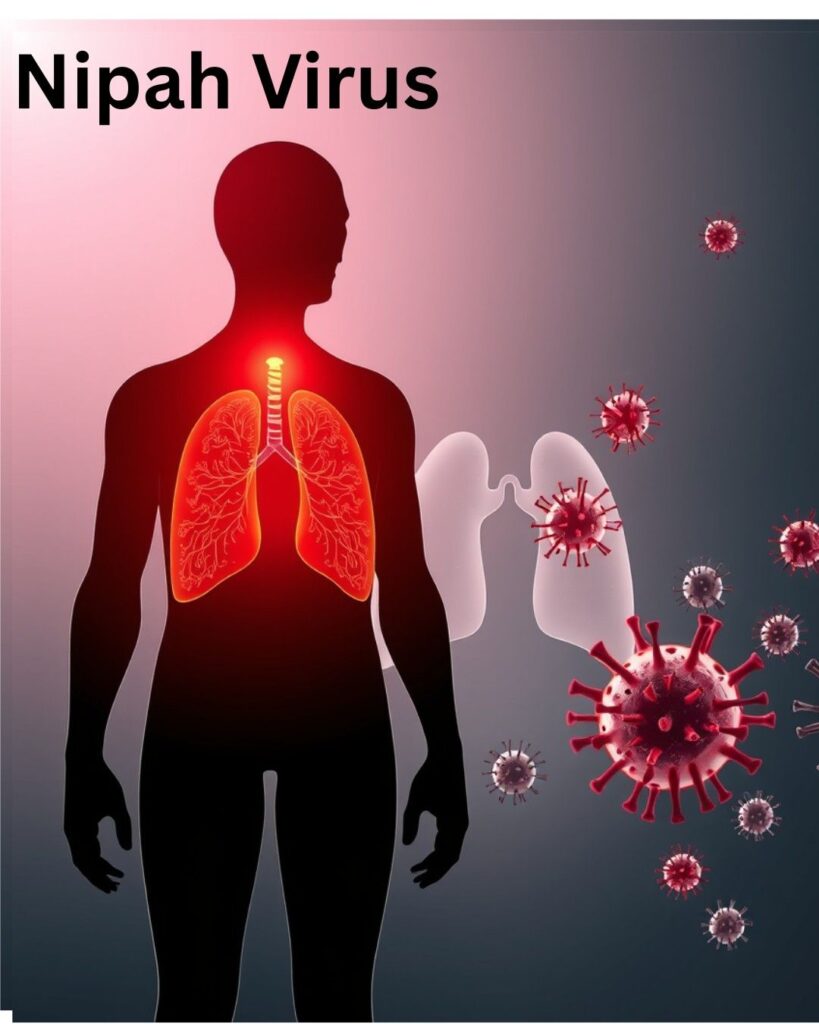
The Nipah virus (NiV) is a rare but dangerous zoonotic virus. Zoonotic diseases are infections that spread from animals to humans. The virus was first discovered in 1999 during an outbreak in Malaysia.
Awareness about Nipah Virus 2026 can significantly impact prevention efforts.
The ongoing threat of Nipah Virus 2026 necessitates continuous monitoring and research.
Nipah virus mainly spreads through fruit bats, which are considered the natural carriers of the virus. In some cases, the virus spreads to humans through infected animals or contaminated food.
As we navigate the challenges posed by the Nipah Virus 2026, it is crucial to stay informed and take necessary precautions to protect ourselves and our communities.
The Nipah Virus 2026 outbreak has prompted extensive research and response strategies.
This virus is considered highly serious because it can affect the brain and respiratory system and has a high fatality rate.
Nipah Virus Outbreak 2026 – Current Situation
In 2026, health authorities reported confirmed Nipah virus cases in parts of India, especially in West Bengal. The government and health organizations quickly initiated containment measures such as:
- Monitoring infected individuals
- Contact tracing
- Public awareness campaigns
- Medical isolation of suspected cases
According to global health organizations, the overall international threat level remains low, but precautionary measures are strongly advised.
Nipah Virus Symptoms
Symptoms of Nipah virus infection can vary from mild to severe. Early detection is important because the illness can rapidly become life-threatening.
Recognizing the Nipah Virus 2026 symptoms early is crucial for effective treatment.
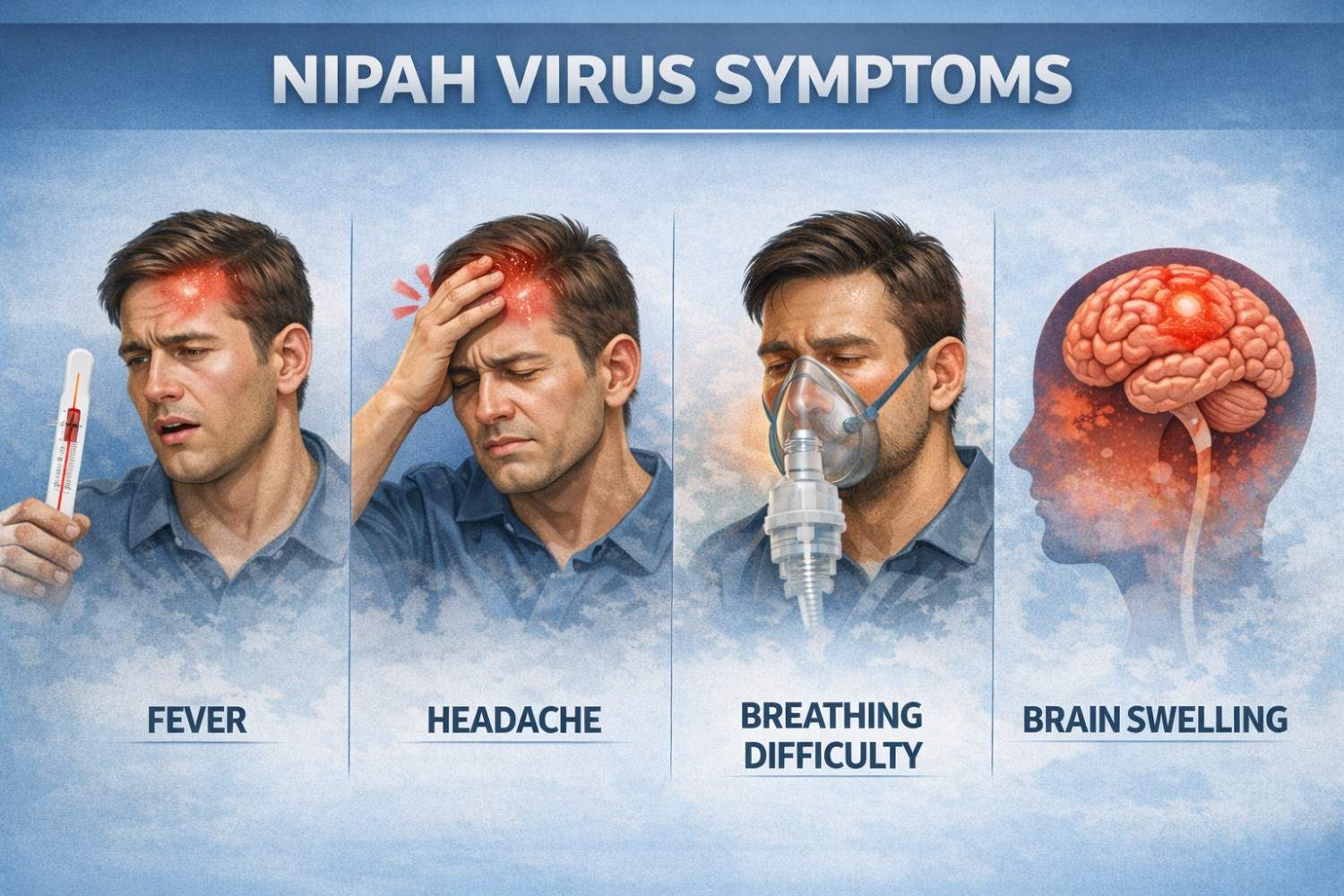
According to the World Health Organization (WHO), common symptoms of Nipah virus include fever, headache, breathing problems, and neurological complications.
Early Symptoms
- Fever
- Headache
- Muscle pain
- Sore throat
- Cough
- Fatigue
- Vomiting
Severe Symptoms
- Brain inflammation (Encephalitis)
- Confusion and dizziness
- Seizures
- Breathing difficulty
- Coma
- Death in extreme cases
Symptoms usually appear within 4 to 14 days after exposure to the virus.
How Does Nipah Virus Spread?
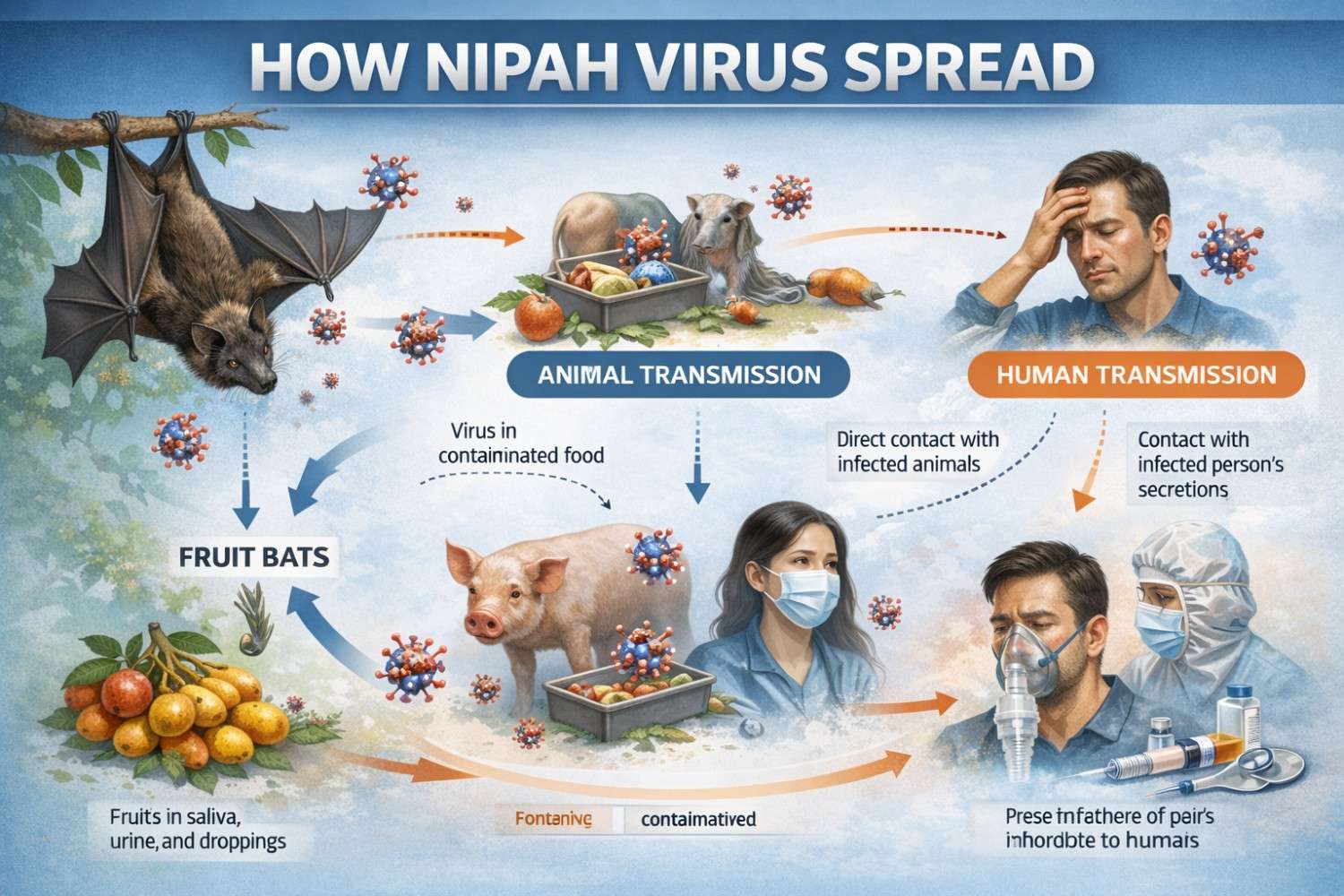
Understanding transmission is crucial for prevention.
The Centers for Disease Control and Prevention (CDC) explains that Nipah virus spreads mainly through infected fruit bats, contaminated food, and close contact with infected individuals.
1. Animal to Human Transmission
Fruit bats are the primary carriers. Humans can become infected through:
- Eating fruits contaminated by bats
- Drinking contaminated date palm sap
- Contact with infected animals such as pigs
2. Human to Human Transmission
The virus can spread through:
- Close contact with infected patients
- Exposure to body fluids
- Healthcare settings without proper protection
Why is Nipah Virus Dangerous?
The Nipah virus is considered dangerous because:
Identifying Nipah Virus 2026 cases early can lead to better health outcomes.
- It has a high mortality rate (40% to 75%)
- There is currently no specific approved vaccine
- It can cause severe brain infections
- It spreads quickly in close contact environments
Stay informed about Nipah Virus 2026 and its implications for public health.
Early medical treatment and isolation are essential for controlling outbreaks.
Nipah Virus Prevention Tips
Preventive measures are the best way to reduce infection risk.
Preventing the spread of the Nipah Virus 2026 requires community cooperation.
Health experts recommend following official safety guidelines provided by the WHO Nipah Virus Prevention Resource to reduce infection risk.
Constant fear of infectious diseases may negatively impact emotional well-being. Read our article on Effects of Mental Illness on Daily Life to understand how mental health plays an important role during health crises.
Personal Safety Measures
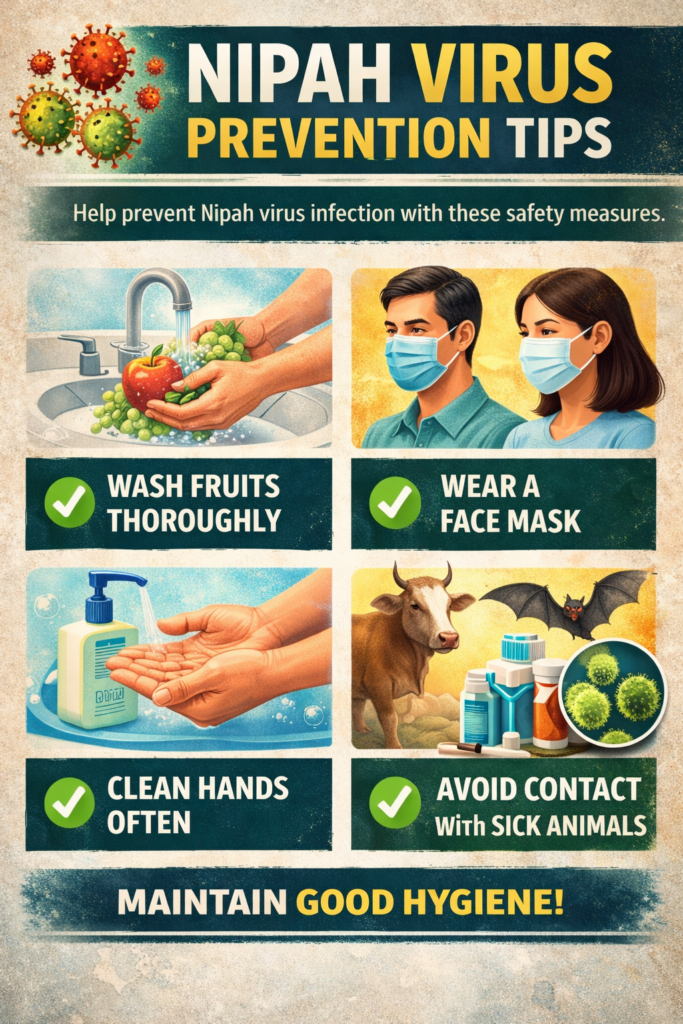
- Always wash fruits before eating
- Avoid eating partially eaten fruits
- Maintain proper hand hygiene
- Avoid contact with sick animals
- Use masks in outbreak areas
Food Safety
- Avoid drinking raw date palm juice
- Consume properly washed and cooked food
- Store food in covered containers
Medical Safety
- Seek medical help immediately if symptoms appear
- Avoid close contact with infected individuals
- Follow public health guidelines
Is There Any Treatment or Vaccine?
Currently, there is no specific vaccine or approved antiviral treatment for Nipah virus. Medical care mainly focuses on:
- Managing symptoms
- Providing supportive treatment
- Preventing complications
The risks associated with Nipah Virus 2026 highlight the importance of public health preparedness.
Researchers are working on developing vaccines, but they are still under testing.
Who is at Higher Risk?
Certain groups face a higher risk of infection:
- Healthcare workers
- People living in outbreak areas
- Farmers and animal handlers
- Individuals consuming contaminated food
Healthcare systems must prepare for potential challenges posed by Nipah Virus 2026.
Awareness and hygiene play a major role in reducing risk.
Global Health Organization Recommendations
Health authorities and global organizations recommend:
- Strengthening surveillance systems
- Improving healthcare safety protocols
- Promoting public awareness campaigns
- Encouraging early reporting of symptoms
Following Nipah Virus 2026 preventive measures can save lives.
These measures help control outbreaks and protect communities.
Frequently Asked Questions (FAQ)
Is Nipah virus contagious?
Yes, it can spread through close contact with infected individuals or contaminated food sources.
Can Nipah virus be cured?
There is no specific cure, but supportive medical treatment improves survival chances.
Is Nipah virus similar to COVID-19?
No. Nipah virus mainly affects the brain and has different transmission patterns.
Should people panic about Nipah virus?
No. Awareness and prevention are enough because outbreaks are usually limited.
Conclusion
The Nipah virus is a serious health concern that requires awareness and preventive measures. Although the 2026 outbreak in India has raised attention, health authorities are actively working to control the situation. By maintaining hygiene, avoiding contaminated food, and following medical guidelines, individuals can significantly reduce their risk.
Staying informed and spreading awareness can help protect communities from future outbreaks.
Understanding Nipah Virus 2026 can help mitigate fears surrounding its outbreak.
By understanding Nipah Virus 2026, we can better protect ourselves and our communities.Awareness campaigns about Nipah Virus 2026 can raise community consciousness.