

Introduction: Why Nutrition and Wellness Matter More Than Ever
If you feel tired without reason, struggle with focus, gain weight easily, or experience stress regularly, the root cause often lies in two connected areas: nutrition and wellness.
Nutrition fuels every cell in your body. Wellness determines how effectively your body and mind use that fuel.
This guide is designed to be:
- Practical
- Deeply informative
- Scientifically grounded
- Easy to apply in real life
The goal is not temporary motivation. The goal is long‑term transformation.If you want a deeper understanding of how digestion impacts overall wellness, read our complete guide on gut health and digestion.
1. Understanding Nutrition: The Foundation of Health
Nutrition is not about dieting. It is about providing your body with the right balance of nutrients so it can function optimally.
According to the World Health Organization (WHO), a healthy diet protects against malnutrition and noncommunicable diseases.
1.1 Macronutrients Explained Clearly
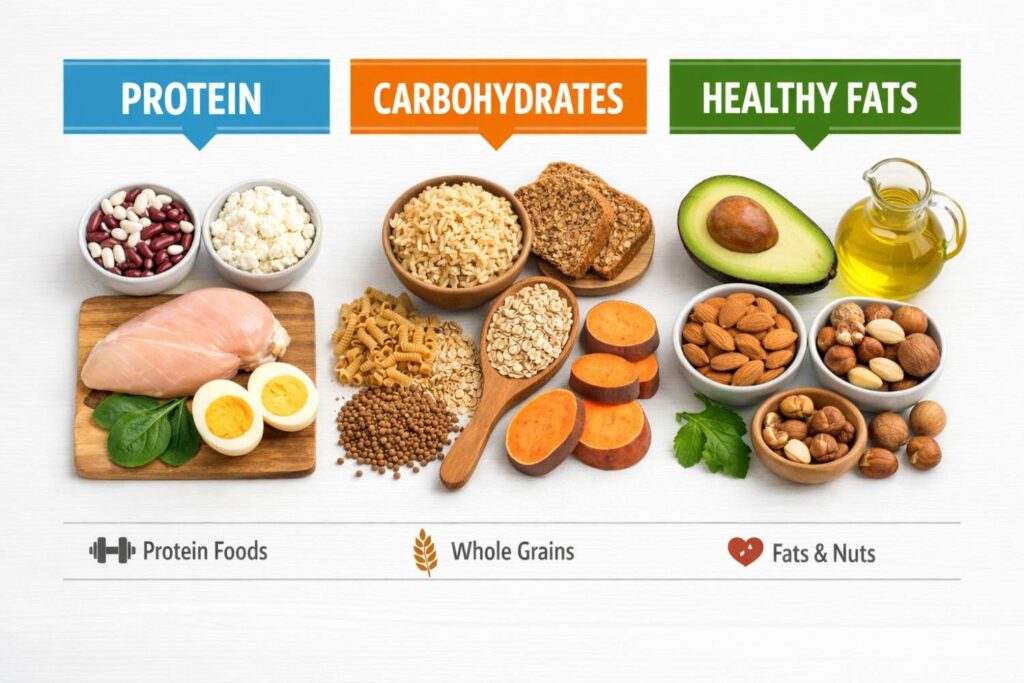
Carbohydrates – Your Body’s Main Energy Source
Healthy sources:
- Whole grains
- Oats
- Brown rice
- Fruits
- Vegetables
Avoid excessive refined carbs like sugary drinks and white flour products.
Protein – Repair and Immunity
Protein supports:
- Muscle repair
- Hormone production
- Immune strength
Good sources:
- Eggs
- Lentils
- Beans
- Yogurt
- Lean meats
- Tofu
Healthy Fats – Brain and Hormonal Balance
Healthy fats improve:
- Brain performance
- Heart health
- Vitamin absorption
Sources:
- Nuts
- Seeds
- Olive oil
- Avocado
Balance is critical. Extreme restriction damages metabolism.
1.2 Micronutrients: Small but Powerful
Deficiencies are common and often unnoticed.
Important micronutrients:
- Vitamin D – immunity and bone health
- Iron – energy and oxygen transport
- Vitamin B12 – nerve and brain function
- Magnesium – stress regulation
Eating colorful vegetables daily improves micronutrient diversity.Harvard Nutrition Source explains that healthy fats improve heart and brain health.
According to the NIH Office of Dietary Supplements, vitamin deficiencies can impact immunity and energy levels.
2. Wellness: Beyond Food
Nutrition alone cannot guarantee health. Wellness includes lifestyle factors that influence your physical and mental state.
2.1 Mental Wellness
Chronic stress increases:
- Cortisol levels
- Belly fat storage
- Sleep disruption
- Emotional instability
Daily mental wellness practices:
- 10 minutes mindfulness
- Deep breathing exercises
- Journaling
- Limiting social media consumption
Mental health directly impacts digestion and metabolism.For a detailed explanation of emotional and psychological challenges, explore our article on mental illness and emotional health.

Poor sleep leads to:
- Increased hunger hormones
- Reduced insulin sensitivity
- Brain fog
Sleep improvement strategies:
- Fixed sleep schedule
- No screens 1 hour before bed
- Dark, cool room environment
- Avoid caffeine late evening
Target: 7–9 hours of quality sleep.
2.3 Physical Activity for Longevity
Movement improves:
- Blood circulation
- Insulin sensitivity
- Mood
- Brain function
Minimum target:
- 30 minutes walking daily
- 2–3 strength sessions per week
- Stretching for flexibility
Consistency matters more than intensity.
3. Gut Health: The Core of Modern Wellness

Your gut contains trillions of bacteria that influence:
- Immunity
- Mood
- Inflammation
- Weight regulation
Improve gut health by:
- Eating fiber (vegetables, oats, legumes)
- Adding fermented foods (yogurt, kefir)
- Reducing processed sugar
- Drinking adequate water
A healthy gut improves mental clarity and emotional balance.
4. Nutrition and Wellness for Weight Management
The CDC healthy weight recommendations emphasize balanced diet and regular physical activity.
Sustainable weight management requires:
1. Calorie Awareness (Not Obsession)
Understand portion sizes without extreme restriction.
2. Protein at Every Meal
Improves satiety and metabolism.
3. Strength Training
Prevents muscle loss during fat reduction.
4. Stress Management
High stress prevents fat loss.
Crash diets damage metabolism. Sustainable change wins long term.Students facing academic pressure can also read our practical guide on exam stress management techniques.
5. A Practical Daily Nutrition and Wellness Plan
Morning
- 1 glass warm water
- Protein‑rich breakfast
- 5 minutes sunlight exposure
Afternoon
- Balanced lunch (protein + fiber + healthy fats)
- Short walk after meal
Evening
- Light dinner
- Screen reduction
- Reflection or journaling
Small daily discipline builds powerful long‑term results.
6. Common Mistakes That Block Progress
- Following social media fad diets
- Skipping meals
- Ignoring sleep
- Overusing supplements
- Extreme calorie restriction
Health is built through habits, not hacks.
7. The Future of Nutrition and Wellness
Modern health trends focus on:
- Personalized nutrition
- Preventive healthcare
- Hormone balance
- Mind‑body integration
- Sustainable eating
Wellness is shifting from treatment to prevention.
Frequently Asked Questions (FAQ)
What is the difference between nutrition and wellness?
Nutrition refers to food intake and nutrients. Wellness includes physical, mental, emotional, and lifestyle balance.
How can I start improving my nutrition today?
Start by increasing protein, eating more vegetables, reducing processed sugar, and drinking more water.
Is wellness only about diet?
No. Wellness includes sleep, stress management, exercise, and emotional health.
How long does it take to see results?
Most people feel increased energy within 2–3 weeks of consistent healthy habits.
Final Thoughts
Nutrition and wellness are not temporary goals. They are systems that support your body and mind every single day.
When you:
- Eat balanced meals
- Move consistently
- Sleep properly
- Manage stress
You build resilience, clarity, energy, and longevity.
True wellness is simple, consistent, and sustainable.
Start small. Stay consistent. Improve daily.
I’m curious about the product mentioned on the channel page: could you share more details about its ingredients, recommended dosage, and any potential interactions with common supplements? Also, are there any clinical studies or reputable sources you’d point to for safety and efficacy? For reference, here is the page I’m looking at: https://www.youtube.com/channel/UCSR_l6o6_3SjseABPTFyjoQ
Thanks for your thoughtful question!
Here are the key details about the product mentioned on our channel page:
Ingredients:
The formula includes commonly used wellness ingredients such as high-quality protein sources, essential vitamins and minerals, and supportive natural compounds. For full transparency, please check the product label or official product page where the complete ingredient list is provided.
Recommended Dosage:
The typical suggested use is to follow the serving size mentioned on the product label. Most users take it once daily (or as directed), preferably with water or as part of a meal. Always avoid exceeding the recommended amount.
Potential Interactions:
If you are currently taking medications or other supplements (especially for blood pressure, blood sugar, or hormonal balance), it’s best to consult a qualified healthcare professional before adding any new supplement to your routine.
Safety & Evidence:
The ingredients included in this formula are generally recognized and commonly used in the wellness industry. However, individual responses can vary. For the most reliable information, we recommend reviewing published research on the key ingredients and speaking with a healthcare provider if you have specific concerns.
Your health and safety always come first. If you have the exact product name or want a deeper breakdown of the ingredients, feel free to share — happy to help further!