
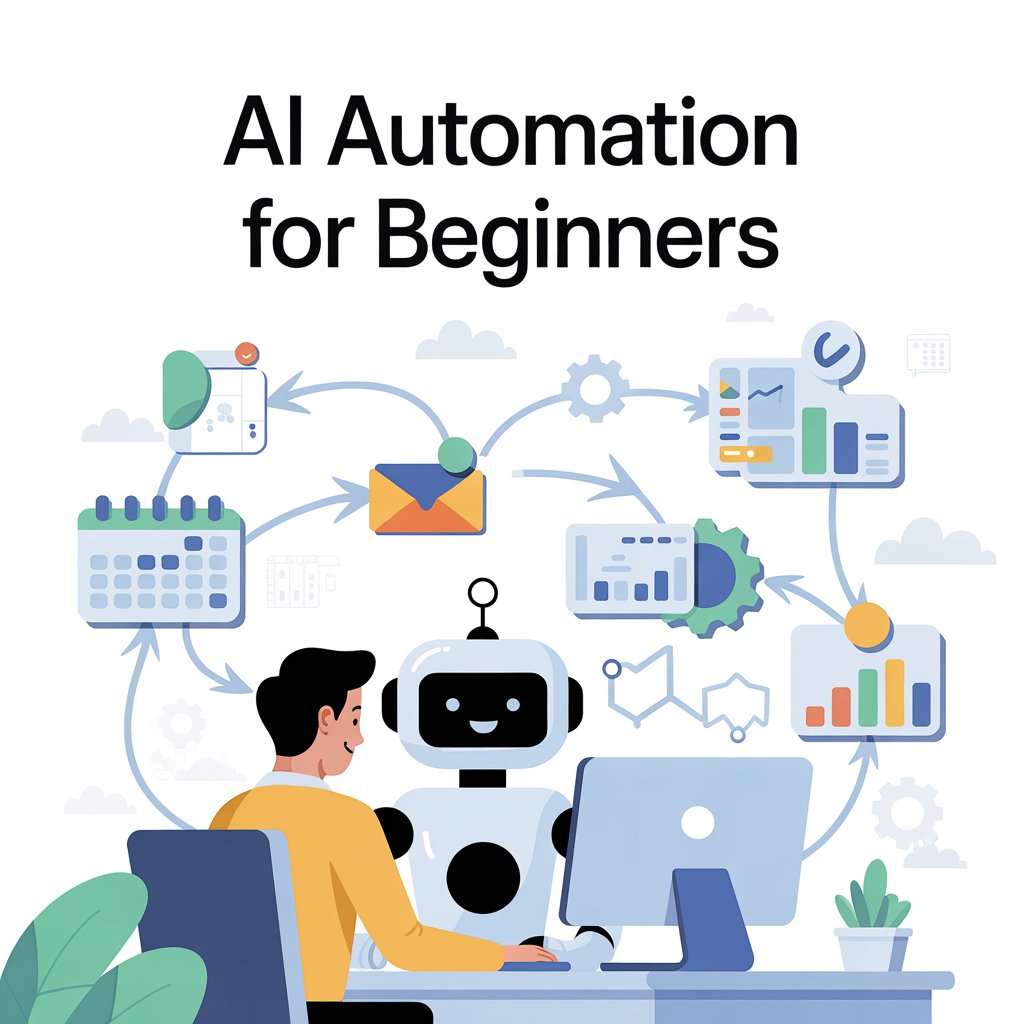
Introduction to AI Automation for Beginners
AI automation for beginners is no longer a complex or intimidating concept. Today, it is a practical and accessible skill that helps people work smarter, save time, and reduce manual effort in everyday tasks. From organizing emails to streamlining business workflows, automation using AI is quietly transforming how we live and work.
This beginner-friendly guide explains AI automation basics in clear and simple language—without technical pressure. Whether you are a student, freelancer, entrepreneur, or professional, learning AI-driven automation can help you build efficient workflows, make better decisions, and stay competitive in a fast-changing digital world.
What Is AI Automation?
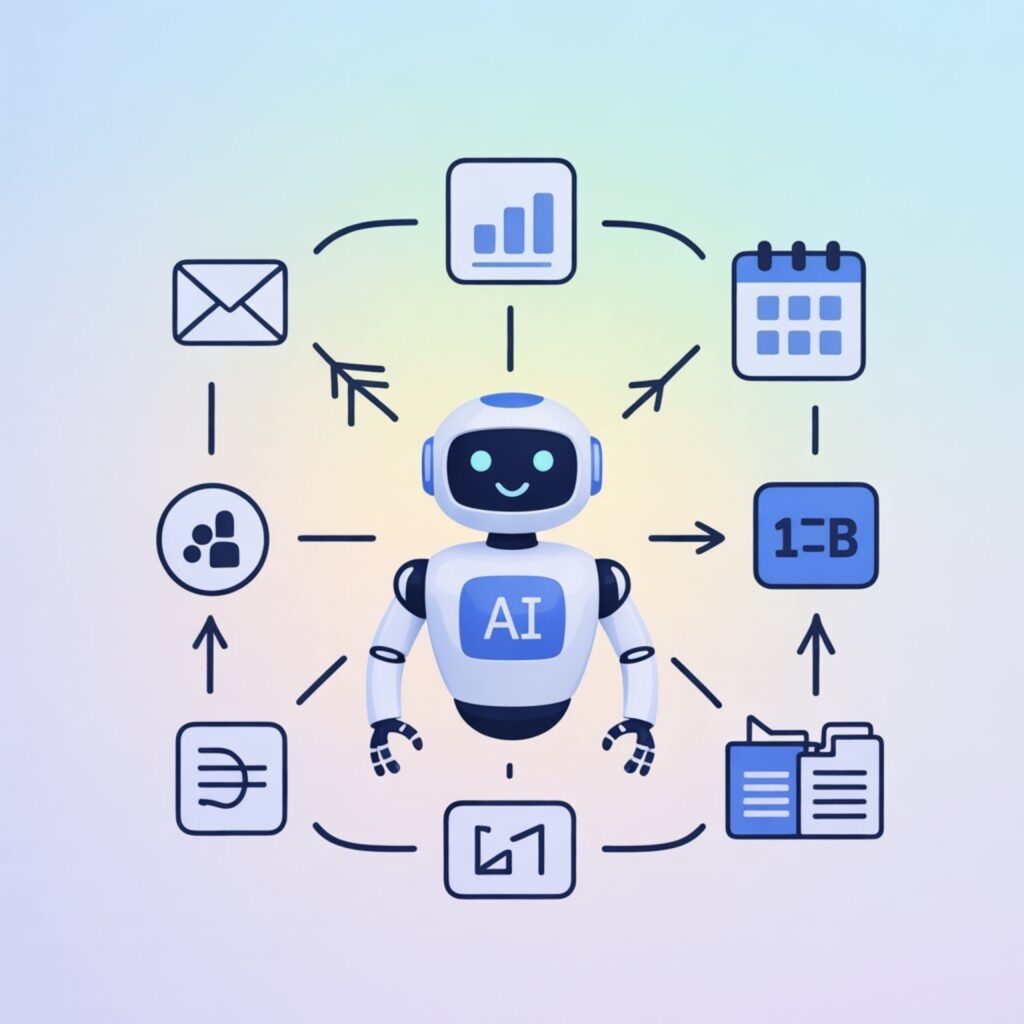
AI automation is the combination of artificial intelligence and automation technologies that allow systems to perform tasks automatically with minimal human involvement. Unlike traditional automation, AI-powered systems can learn from data, improve over time, and adapt to new situations.
For beginners, AI automation often starts with simple use cases such as:
- Automatically replying to emails
- Sorting customer inquiries
- Managing schedules
- Handling repetitive data tasks
The goal is not to replace humans, but to enhance productivity and reduce routine workload.
AI Automation Explained in Simple Terms
In simple words, automation using AI means teaching machines how to recognize patterns and make decisions based on data. These systems rely on machine learning automation to improve their performance over time.
Examples you may already be using include:
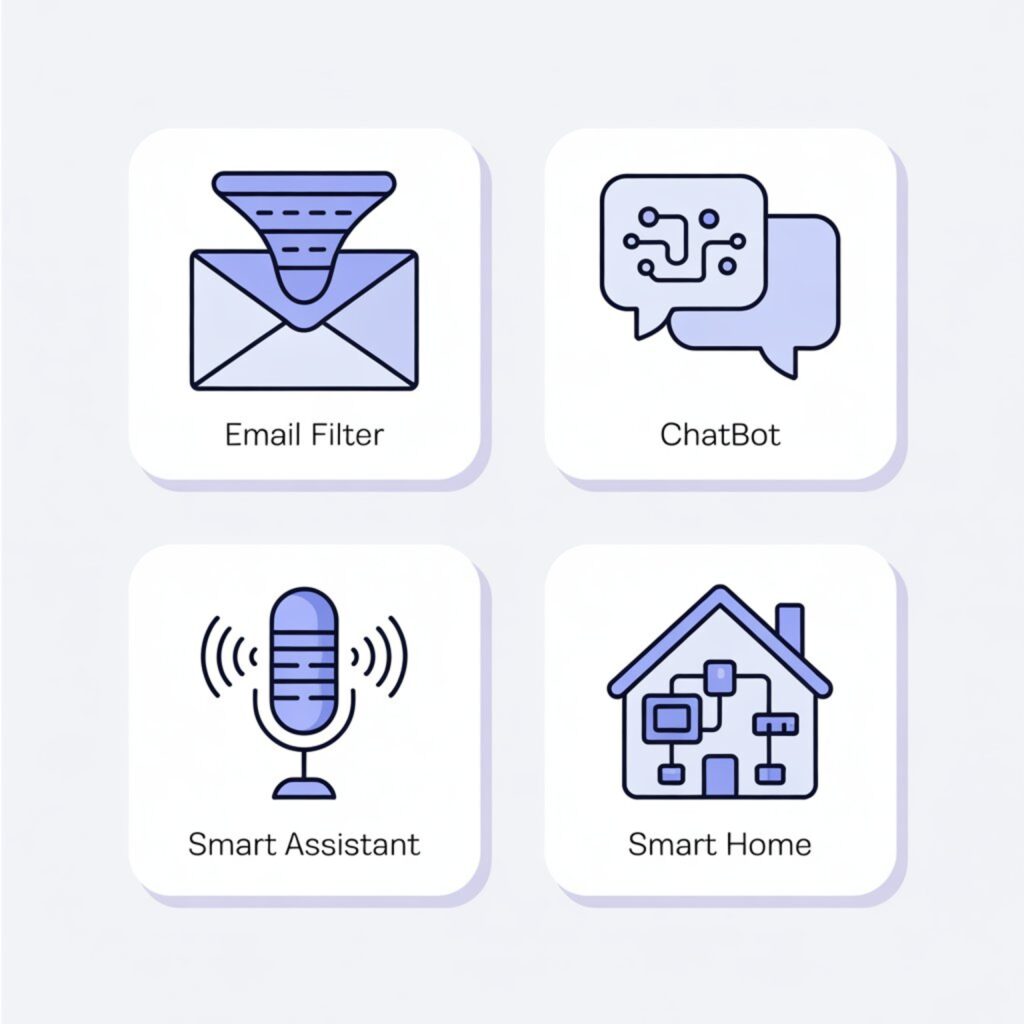
- Email spam filters
- Smart voice assistants
- AI chatbots
- Smart home devices
All of these rely on automated workflows that run in the background to make life easier and more efficient.
The Evolution of AI Automation
Early automation systems followed strict rules and could only perform fixed tasks. While useful, they lacked flexibility. With the introduction of machine learning, systems gained the ability to learn from experience.
Today, advanced technologies like deep learning, Natural Language Processing (NLP), and robotics allow AI-powered systems to understand text, speech, images, and even human behavior. According to IBM, organizations that adopt AI automation report up to a 30% increase in operational efficiency.
Why AI Automation Matters Today
In modern workplaces, AI-driven automation is no longer optional—it is essential. Businesses use business process automation to reduce costs, improve accuracy, and scale operations efficiently.
For individuals, AI automation for beginners helps:
- Save time
- Reduce errors
- Improve focus on meaningful work
- Simplify daily routines
From managing calendars to automating reports, intelligent automation delivers real value.
Real-World Examples of AI Automation

AI automation examples can be found across industries:
- Banking: Fraud detection and risk analysis
- Healthcare: Patient data analysis and diagnostics
- Retail: Personalized product recommendations
- Logistics: Route optimization and predictive maintenance
Even homes use AI-powered systems such as smart thermostats and energy-efficient devices.
Getting Started With AI Automation
Beginners should start small. Choose one repetitive task and automate it using beginner-friendly tools. Focus on understanding AI automation basics before expanding into complex systems.
Step-by-Step Beginner Path:
- Identify repetitive tasks
- Choose the right automation tool
- Use clean and accurate data
- Monitor results and improve gradually
Popular AI Automation Tools for Beginners
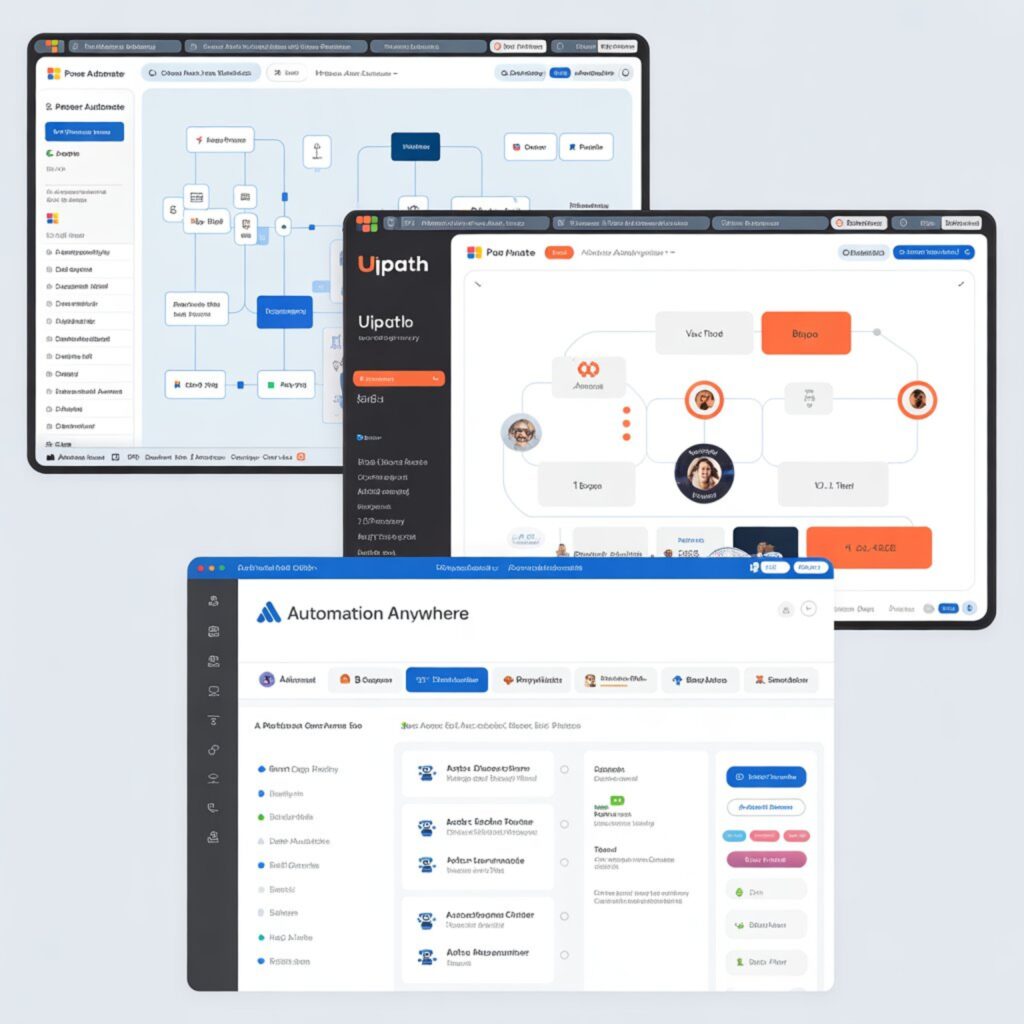
| Tool | Best Use | Skill Level |
| Microsoft Power Automate | Office workflows | Beginner |
| UiPath | Business automation | Beginner–Intermediate |
| Automation Anywhere | Scalable automation | Beginner |
Challenges and Limitations
While powerful, AI automation has limitations. Poor data quality, bias, privacy concerns, and scaling costs can affect performance. Beginners should avoid automating inefficient processes and focus on ethical and responsible AI use.
The Future of AI Automation
The future of AI automation is promising. AI agents will manage entire workflows, and demand for automation skills will continue to grow. According to McKinsey, nearly 70% of companies are expected to adopt AI-driven automation by 2030
For beginners, this is the perfect time to start learning and building practical skills.
Final Thoughts on AI Automation for Beginners
AI automation for beginners is about starting simple, learning consistently, and improving gradually. By mastering AI automation basics, anyone can build smarter systems, reduce workload, and unlock new opportunities.
With patience and practice, AI-driven automation becomes not just a tool—but a long-term advantage.
Automation and artificial intelligence are also improving personal well-being, especially in areas related to digital health and healthy lifestyles.
Once you understand the fundamentals, you can explore real-world tools that help automate workflows and business processes.
Frequently Asked Questions (FAQs)
What is AI automation and how does it work?
AI automation uses artificial intelligence to perform tasks automatically without continuous human involvement. It works by analyzing data, recognizing patterns, making decisions, and executing actions through automated workflows. Over time, AI-powered systems improve their performance using machine learning.
How do I start a business with AI automation?
To start a business with AI automation, begin by identifying repetitive tasks such as customer support, data entry, or scheduling. Choose beginner-friendly automation tools, implement AI-powered systems gradually, and optimize workflows to save time, reduce costs, and improve efficiency.
What is a beginner guide to AI?
A beginner guide to AI explains basic AI concepts in simple language and shows how automation using AI can be applied in daily tasks or business processes. It focuses on practical use cases, easy tools, and step-by-step learning without requiring advanced technical knowledge.
How do I start using AI?
Start using AI by automating small tasks like email filtering, calendar management, or customer responses. Explore automation tools for beginners, work with clean data, and gradually expand to more advanced AI-driven automation as your confidence grows.
What is AI automation and how can it help your business?
AI automation helps businesses by streamlining repetitive processes, reducing errors, saving time, and improving decision-making. By using automated workflows and AI-powered systems, businesses can increase productivity, lower operational costs, and scale more effectively.
Is coding required to learn AI automation?
No, coding is not mandatory for beginners. Many AI automation platforms offer no-code or low-code solutions that allow users to build automated workflows using visual interfaces.
Pingback: AI Automation Tools to Boost Productivity in 2026
Thank you for sharing this helpful resource!
AI automation can feel overwhelming for beginners, so step-by-step guides like this are really valuable for building a strong foundation. I appreciate you pointing learners toward useful support.
Looking forward to exploring more insights on this topic!