
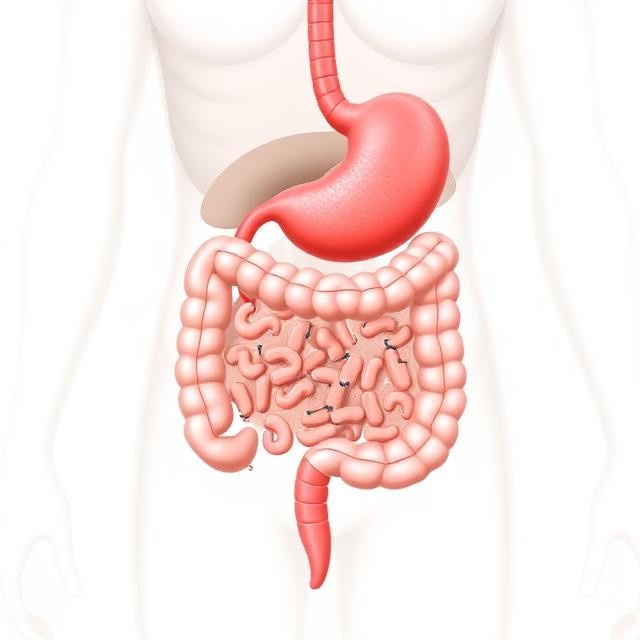
Introduction
Gut health and digestion play a vital role in keeping the body active, energetic, and healthy. Many people around the world struggle with digestive problems such as bloating, gas, constipation, acidity, and constant fatigue. These issues are often ignored or treated temporarily, but the real cause usually lies deeper — poor gut health.
Gut health is not only about digestion. It directly affects immunity, mental well-being, weight management, sleep quality, and overall health. When your gut is healthy, your entire body functions better.
This complete guide explains gut health and digestion in a simple, human-friendly way that anyone can easily understand and apply in daily life.
What Is Gut Health?
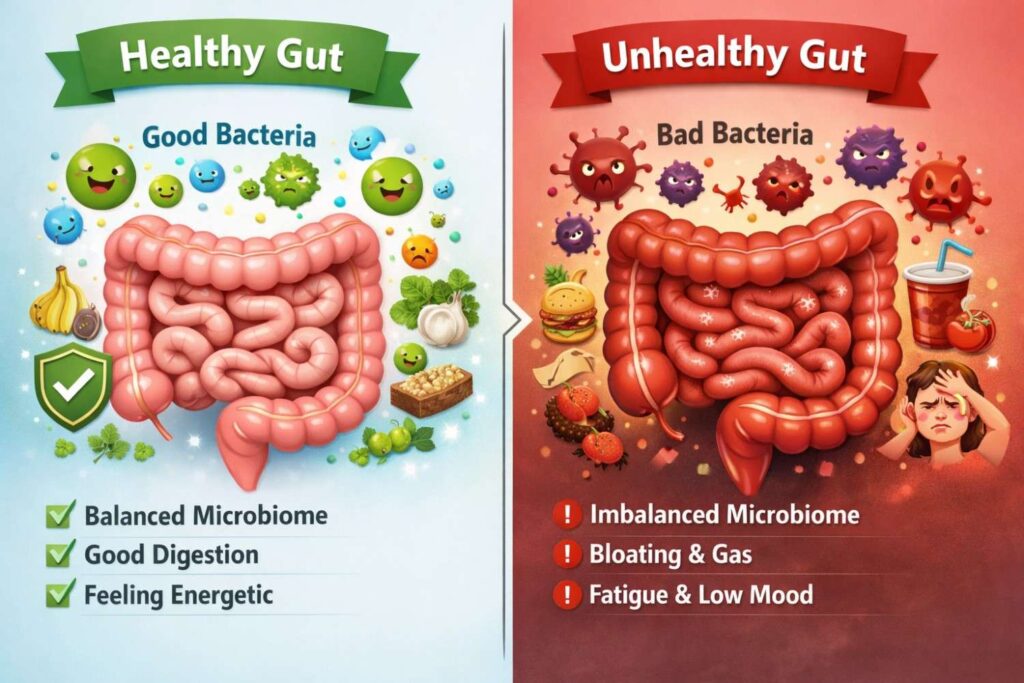
Gut health refers to the balance and proper functioning of the digestive system, including the stomach, small intestine, and large intestine.
Inside your gut live trillions of microorganisms, mainly bacteria, known as the gut microbiome. These bacteria are essential for:
- Digesting food
- Absorbing nutrients
- Supporting the immune system
- Regulating hormones and mood
A healthy gut means a balanced microbiome with more good bacteria than harmful ones.
How Digestion Works
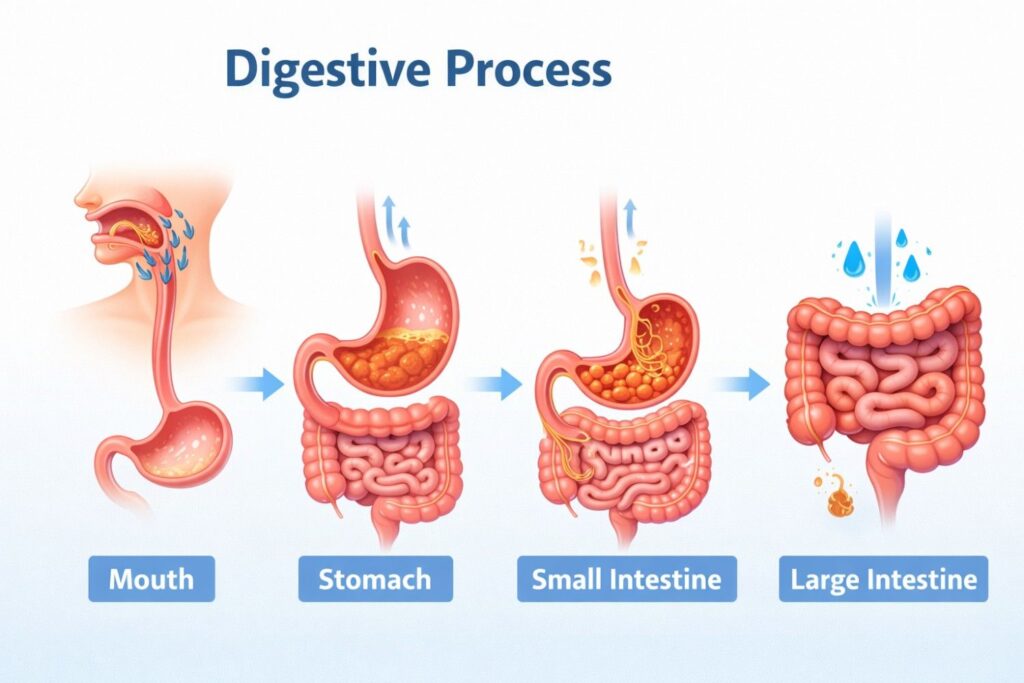
- Mouth: Digestion begins when food is chewed and mixed with saliva
- Stomach: Acid and enzymes break down food
- Small Intestine: Nutrients are absorbed into the bloodstream
- Large Intestine: Water is absorbed and waste is eliminated
If any part of this process is disrupted, digestive problems can occur.
Signs of Poor Gut Health
Common symptoms that indicate an unhealthy gut include:
- Frequent bloating or gas
- Constipation or diarrhea
- Acid reflux or heartburn
- Constant fatigue
- Weak immunity
- Skin issues such as acne or rashes
- Anxiety, stress, or mood swings
If these symptoms appear regularly, improving gut health should be a priority.A weak immune system increases the risk of serious viral infections.
Why Gut Health Is So Important
Research shows that gut health affects nearly every system in the body.Scientific research shows that the gut microbiome directly affects immunity, metabolism, and mental well-being.
Benefits of a Healthy Gut
✔ Better digestion
✔ Stronger immune system
✔ Improved mental health
✔ Healthy weight management
✔ Reduced inflammation
✔ Better sleep quality
This is why gut health has become one of the biggest global health trends.
Best Foods for Gut Health and Digestion
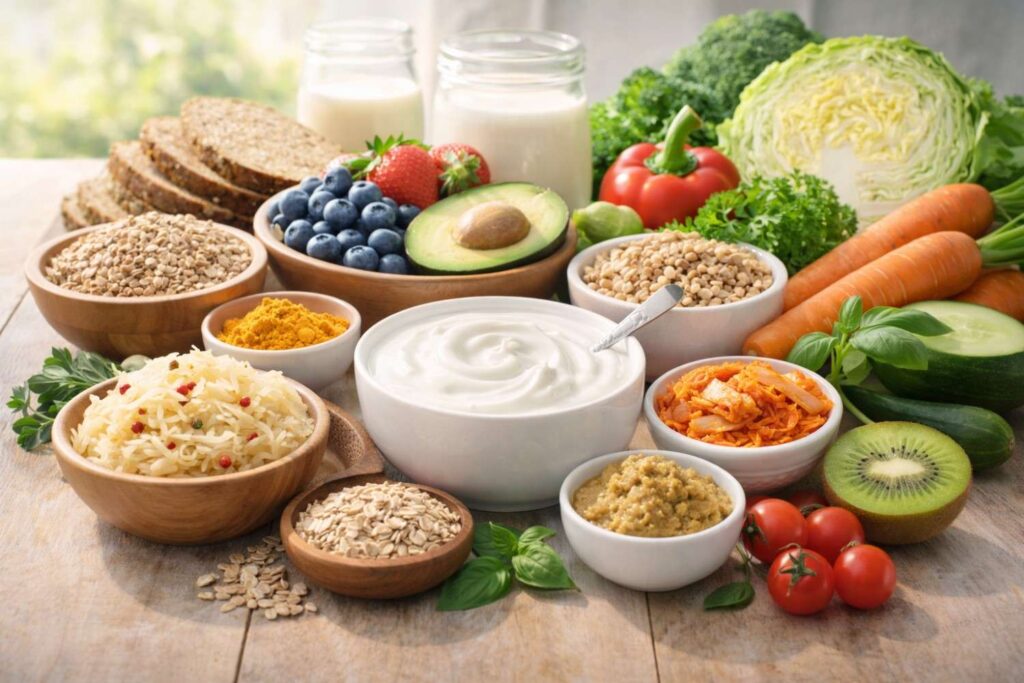
1. Probiotic Foods
Probiotics are beneficial bacteria that support gut balance.
Examples:
- Yogurt
- Kefir
- Fermented vegetables
- Kimchi
2. Prebiotic Foods
Prebiotics feed the good bacteria in your gut.
Examples:
- Bananas
- Garlic
- Onions
- Oats
3. Fiber-Rich Foods
Fiber helps food move smoothly through the digestive tract.
Examples:
- Fruits (apples, berries)
- Vegetables
- Whole grains
- Beans and lentils
4. Fermented Foods
Fermented foods naturally boost gut bacteria.
Examples:
- Pickles (naturally fermented)
- Sauerkraut
- Kombucha
Foods That Damage Gut Health
Limiting these foods can significantly improve digestion:
- Ultra-processed foods
- Excess sugar
- Soft drinks
- Artificial sweeteners
- Deep-fried foods
Natural Ways to Improve Gut Health
Eat Slowly
Chewing food properly reduces stress on the digestive system.
Stay Hydrated
Water helps fiber work effectively and prevents constipation.
Manage Stress
Chronic stress negatively affects gut bacteria.
Get Quality Sleep
Poor sleep can disrupt gut balance.
Avoid Unnecessary Antibiotics
Overuse of antibiotics can kill beneficial gut bacteria.
The Gut–Brain Connection
The gut is often called the “second brain” because it communicates directly with the brain through the nervous system.
The gut-brain axis explains the strong communication between the digestive system and the brain.
A healthy gut can:
- Reduce anxiety and stress
- Improve mood
- Enhance focus and mental clarity
This connection explains why digestive health strongly influences mental health.Recent studies show that gut health and digestion play a major role in mental illness.
Gut Health and Weight Management
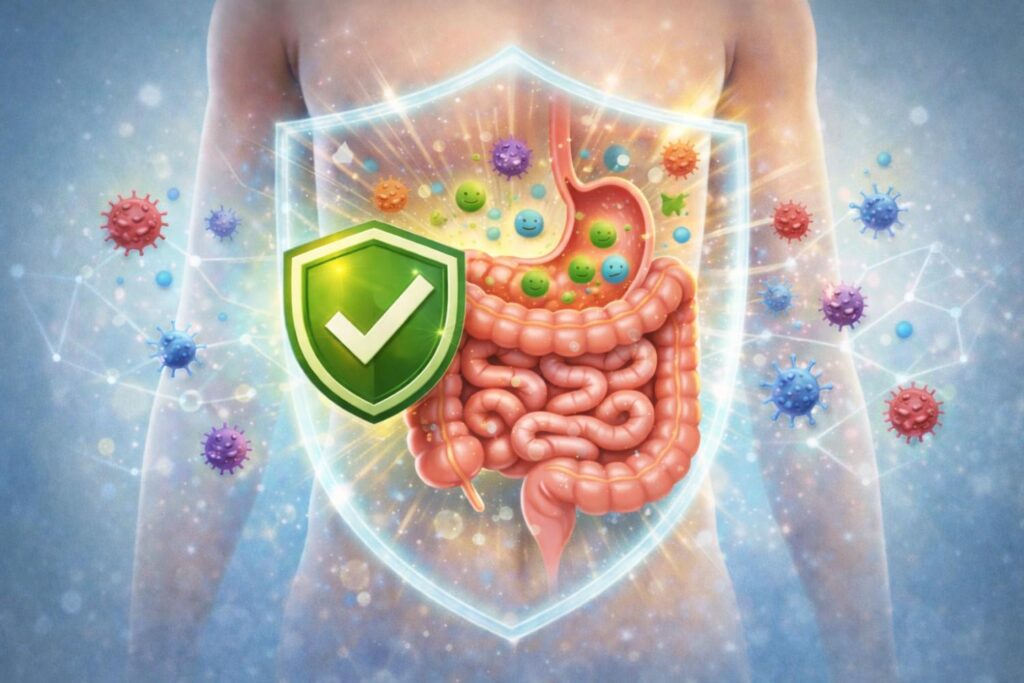
An unhealthy gut can slow metabolism and increase fat storage.
A balanced microbiome helps regulate:
- Appetite
- Blood sugar levels
- Fat absorption
Improving gut health naturally supports healthy weight loss.
Frequently Asked Questions (FAQs)
How long does it take to improve gut health?
Most people notice improvements within 2 to 4 weeks with consistent diet and lifestyle changes.
Are supplements necessary for gut health?
In most cases, no. Whole foods provide better and more natural support.
Can gut health affect immunity?
Yes. Around 70% of the immune system is connected to the gut.
Is yogurt enough for good digestion?
Yogurt helps, but it should be combined with fiber-rich and prebiotic foods.
Conclusion
Gut health is the foundation of a healthy body. When digestion works properly, energy levels increase, immunity strengthens, and mental clarity improves.
By eating natural foods, managing stress, sleeping well, and maintaining healthy habits, you can significantly improve your gut health and overall quality of life.
A healthy gut truly leads to a healthier, happier life.
Hello to every body, it’s my first pay a visit of this website; this blog
consists of amazing and actually excellent stuff in favor of
readers.
Hello! Welcome to the website—really glad to have you here! Thank you so much for your kind words, it truly means a lot. I’m happy you found the content helpful. Feel free to explore more posts and share your thoughts anytime!