
Introduction
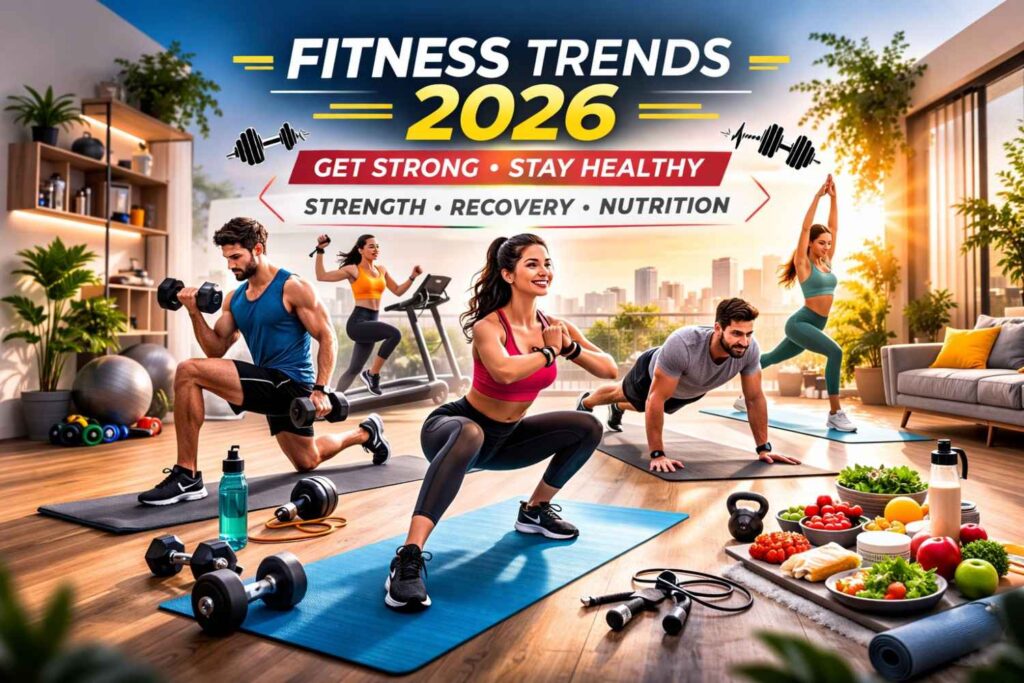
Fitness Trends 2026 are transforming how beginners approach workouts, nutrition, and recovery. Whether you’re new to fitness or looking to upgrade your routine, these trends make it easier to build a strong, sustainable, and healthy body.
The fitness world is evolving faster than ever. In 2026, the focus is no longer just on losing weight — it’s about building a strong, sustainable, and mentally healthy body. From AI-powered workouts to recovery technology and high-protein nutrition, modern fitness trends are smarter and more personalized.
If you want results that actually last, understanding these trends can save you months of confusion and wasted effort.
This guide breaks down the most important fitness and body trends, explains why they matter, and shows you exactly how to use them in real life.
Why Fitness Trends Are Changing
Traditional fitness used to focus on:
- extreme dieting
- long cardio sessions
- quick weight loss
Today’s science shows a better approach. Modern fitness emphasizes:
- sustainable habits
- muscle strength over just weight loss
- recovery and sleep
- personalized health data
The goal in 2026: Build a body that is strong, energetic, and resilient — not just lighter on the scale.
Fitness isn’t just physical — it also helps manage mental health while working out.
🔥 Top Fitness & Body Trends in 2026
1. High-Protein Lifestyle (Not Just Bodybuilding)
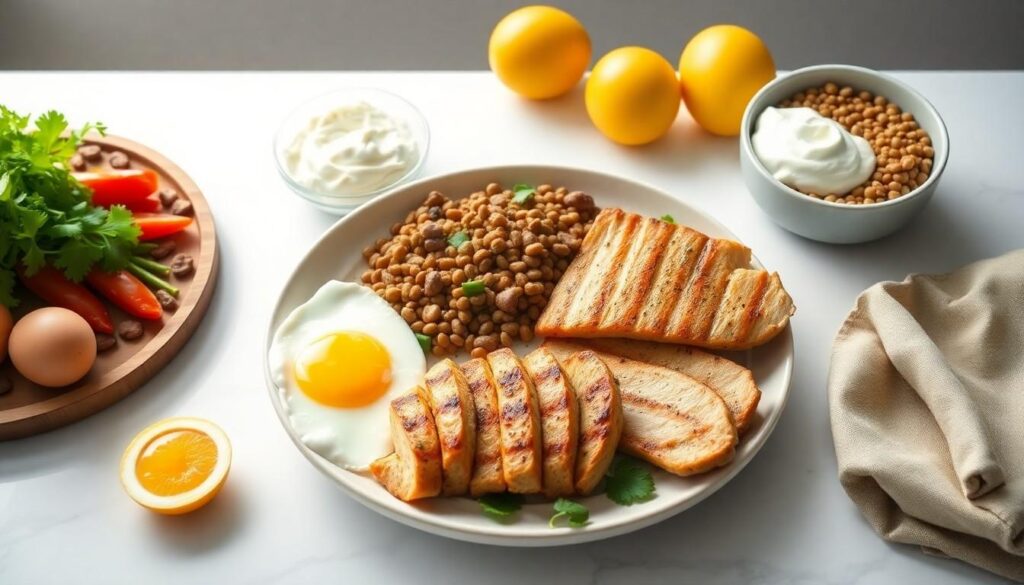
Protein is no longer only for gym athletes. It has become mainstream because research shows it helps with:
- muscle maintenance
- fat loss
- appetite control
- faster recovery
Why It’s Trending
Many people struggle with constant hunger during dieting. High-protein meals keep you full longer and preserve muscle while losing fat.
Eating the right foods is crucial — check out essential nutrients for fitness to maximize results
Easy Ways to Add Protein
- Greek yogurt breakfast
- eggs or omelette
- chicken or lentils in lunch
- protein smoothies
- high-protein desserts
Beginner target:
👉 0.8–1 gram protein per kg body weight daily
2. At-Home Smart Workouts
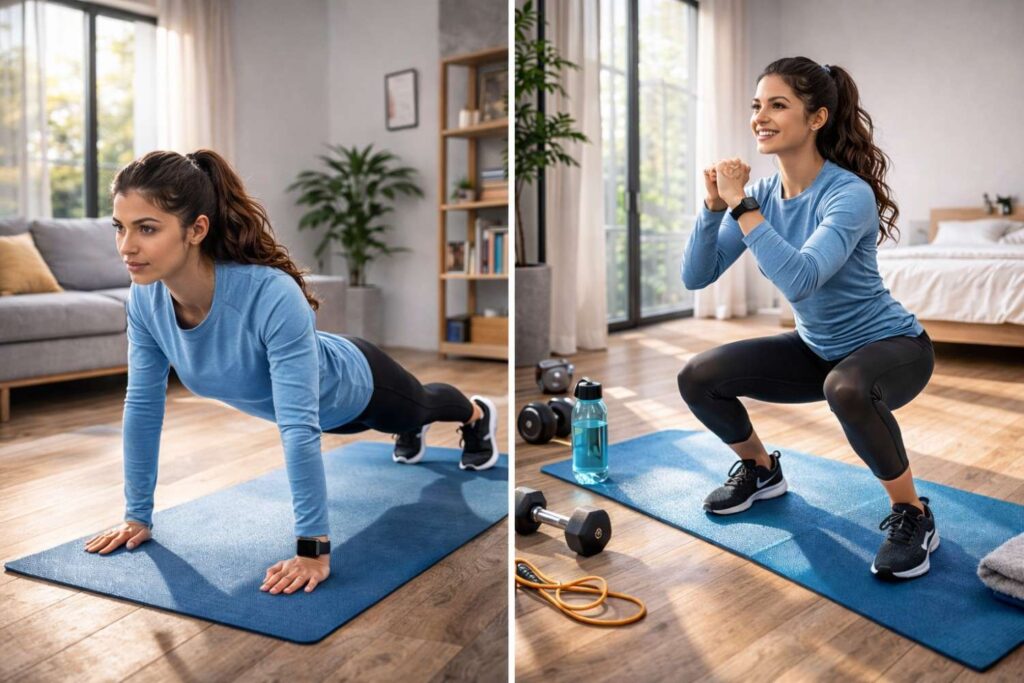
Gym memberships are no longer required for great fitness results. Home workouts are trending because they are:
- time-saving
- budget-friendly
- beginner-friendly
- consistent
What’s New in 2026
Modern home fitness focuses on short, effective workouts instead of long exhausting sessions.
Popular formats:
- 20-minute strength workouts
- bodyweight HIIT
- resistance band training
- mobility routines
Sample 20-Minute Home Routine
- Squats – 3×12
- Push-ups – 3×10
- Plank – 3×30 sec
- Lunges – 3×10 each leg
- Jumping jacks – 2×30 sec
Consistency beats intensity.
3. Recovery Is the New Fitness Secret
One of the biggest shifts: recovery is now considered part of training.
People finally understand that muscles grow during recovery — not during the workout.
Trending Recovery Methods
- cold plunge therapy
- foam rolling
- stretching routines
- massage guns
- sleep optimization
Why Recovery Matters
Without proper recovery:
- fatigue increases
- injury risk rises
- fat loss slows
- motivation drops
Golden rule: Train hard, recover smarter.
4. Sleep Optimization for Fitness
Sleep and recovery are linked with digestion — read how gut health affects recovery and energy to understand the science.

Sleep has become a major fitness trend because poor sleep directly affects:
- weight gain
- hormone balance
- muscle recovery
- mental focus
Signs Your Sleep Needs Improvement
- morning fatigue
- late-night scrolling
- sugar cravings
- slow workout recovery
Simple Sleep Optimization Tips
- sleep and wake at the same time
- avoid screens 1 hour before bed
- keep room cool and dark
- avoid caffeine late evening
Target: 7–9 hours quality sleep nightly.
5. Strength Training Over Endless Cardio
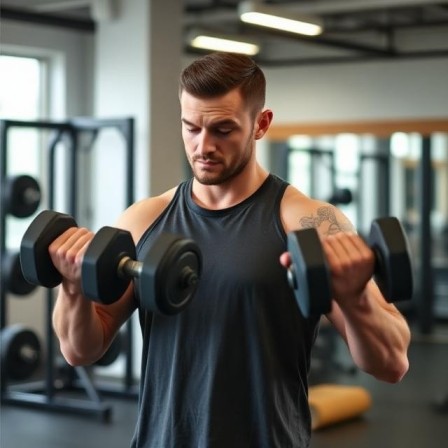
In 2026, smart fitness prioritizes strength training rather than excessive cardio.
Why Strength Training Wins
Strength training helps:
- burn fat long term
- improve metabolism
- build lean muscle
- strengthen bones
- improve posture
Cardio is still useful — but not as the only strategy.
Beginner Weekly Plan
- Strength training: 3 days
- Light cardio/walking: 2–3 days
- Rest/recovery: 1–2 days
6. Personalized Fitness & Health Tracking
Wearables and fitness apps are booming because people want data-driven health.
What People Track in 2026
- steps
- heart rate
- sleep score
- calories burned
- recovery status
Why It Works
Tracking creates awareness. Awareness improves consistency.
But remember: data should guide you — not stress you.
🥗 Nutrition Trends Supporting Fitness
Fitness success is now strongly linked with smarter nutrition.
Trending Nutrition Habits
- balanced meals instead of crash diets
- gut-friendly foods
- hydration tracking
- whole foods focus
- reduced ultra-processed foods
Simple Balanced Plate Rule
Fill your plate like this:
- ½ vegetables
- ¼ protein
- ¼ healthy carbs
- add healthy fats
⚠️ Common Mistakes to Avoid
Many beginners fail because of these:
❌ chasing quick weight loss
❌ skipping meals
❌ doing only cardio
❌ ignoring sleep
❌ overtraining
❌ copying advanced athletes
Remember: Sustainable fitness always beats extreme fitness.
🚀 30-Day Starter Plan (Beginner Friendly)
If you want to start today, follow this simple plan:
Daily
- 7k–10k steps
- high-protein meals
- proper hydration
Weekly
- 3 strength workouts
- 2 light cardio days
- 1 mobility/stretch session
Lifestyle
- sleep before midnight
- manage stress
- stay consistent
Follow this for 30 days — you will notice real changes.
Final Thoughts
Fitness in 2026 is smarter, more personalized, and more sustainable than ever before. The winning formula is simple:
strength + protein + recovery + sleep + consistency
You don’t need extreme diets or exhausting workouts. Small, consistent habits create powerful long-term results.
Short, focused workouts can reduce anxiety and support concentration — learn more in our exam stress management for learners guide.
Start simple. Stay consistent. Let progress compound.
❓ FAQs – Fitness Trends 2026
Q1: What is the biggest fitness trend in 2026?
The biggest fitness trend in 2026 is the shift toward sustainable and personalized fitness. Instead of extreme dieting or long cardio sessions, people are focusing on strength training, high-protein nutrition, proper recovery, and sleep optimization. The goal is long-term health and consistent progress rather than quick weight loss.
Q2: Are home workouts effective compared to the gym?
Yes, home workouts can be very effective when done consistently. Modern at-home routines use bodyweight exercises, resistance bands, and short high-intensity sessions that can build strength and improve fitness. For beginners especially, home workouts are convenient, affordable, and easier to maintain regularly.
Q3: How much protein do I need daily for fitness goals?
Most beginners benefit from 0.8–1 gram of protein per kilogram of body weight per day. People focused on muscle building or fat loss may require slightly higher intake. Good sources include eggs, chicken, fish, yogurt, lentils, and protein shakes.
Q4: Why is recovery considered important in modern fitness?
Recovery is essential because muscles repair and grow during rest, not during the workout itself. Proper sleep, stretching, hydration, and rest days help prevent injuries, reduce fatigue, and improve overall performance. Ignoring recovery can slow progress even if workouts are intense.
Q5: Is strength training better than cardio for fat loss?
Strength training is often more effective for long-term fat loss because it builds muscle, which increases metabolism. Cardio still has benefits for heart health and calorie burning, but the best approach in 2026 is a balanced routine that includes both strength training and moderate cardio.
Q6: How can beginners start following fitness trends safely?
Beginners should start slowly with simple workouts, focus on proper form, eat balanced meals with enough protein, and prioritize sleep and recovery. It’s important to avoid overtraining and unrealistic expectations. Consistency and gradual progress are the keys to safe and lasting results.
At this time it appears like Drupal is the best blogging platform available right now. (from what I’ve read) Is that what you are using on your blog?
Thanks for your comment! I’m actually not using Drupal for my blog. But I’ve heard great things about Drupal as well!
I’m extremely impressed with your writing skills as well as with the layout on your weblog. Is this a paid theme or did you customize it yourself? Either way keep up the nice quality writing, it’s rare to see a nice blog like this one today.
Thank you for the lovely comment! I customized the theme myself to create a clean and user-friendly layout. I’m really glad you enjoyed both the design and the content!
If you are going for finest contents like I do, only pay a quick visit this website daily because it presents quality contents, thanks
Thanks for the recommendation! I’m always interested in high-quality content—I’ll definitely check it out.
Hey there, You have done a great job. I’ll certainly digg it and personally suggest to my friends. I am confident they’ll be benefited from this web site.
Thank you so much for your kind words! I’m really glad you found the content helpful. It means a lot that you’re recommending it to your friends—truly appreciate your support!
I feel that is among the most vital information for me. And i am satisfied reading your article. However wanna statement on some normal issues, The web site taste is ideal, the articles is really excellent : D. Good job, cheers
A motivating discussion is definitely worth comment. I do believe that you should write more on this subject, it may not be a taboo matter but usually folks don’t talk about these issues. To the next! Cheers!!
Thanks a lot for your encouragement! It means a lot to know you found this discussion valuable. I’ll surely try to cover more on this topic in future posts. Cheers!
What’s Happening i am new to this, I stumbled upon this I have found It absolutely useful and it has aided me out loads. I’m hoping to contribute & assist other customers like its aided me. Good job.
Thank you so much for your kind words! I’m really glad you found the content helpful. It’s great to have you here, and I truly appreciate your willingness to contribute and help others. Welcome to the community!
You have made some really good points there. I checked on the internet to find out more about the issue and found most individuals will go along with your views on this site.
Heya i’m for the primary time here. I came across this board and I to find It really useful & it helped me out a lot. I’m hoping to give one thing again and aid others such as you helped me.
Welcome! I’m glad you found the site useful. Your support and willingness to help others truly means a lot. Thanks for being part of this community
Fine way of telling, and nice piece of writing to take information on the topic of my presentation topic, which i am going to deliver in college.
Appreciate the recommendation. Will try it out.
My brother recommended I would possibly like this web site. He was totally right. This post truly made my day. You cann’t believe just how much time I had spent for this info! Thanks!
Thank you so much for your kind words! I’m really glad to hear that you found the information helpful and that it made your day. It means a lot to know that the content is useful. I truly appreciate your support!
I’m gone to say to my little brother, that he should also go to see this website on regular basis
to get updated from hottest gossip.
Thank you so much! I really appreciate you sharing it with your brother. I’m glad you’re enjoying the content—stay tuned for more updates and trending stories!
It’s remarkable in favor of me to have a web site, which is helpful in support of my know-how.
thanks admin
Thank you for your kind feedback! We’re glad to hear that the website is helpful for your learning and knowledge. Your support is appreciated.