
Introduction
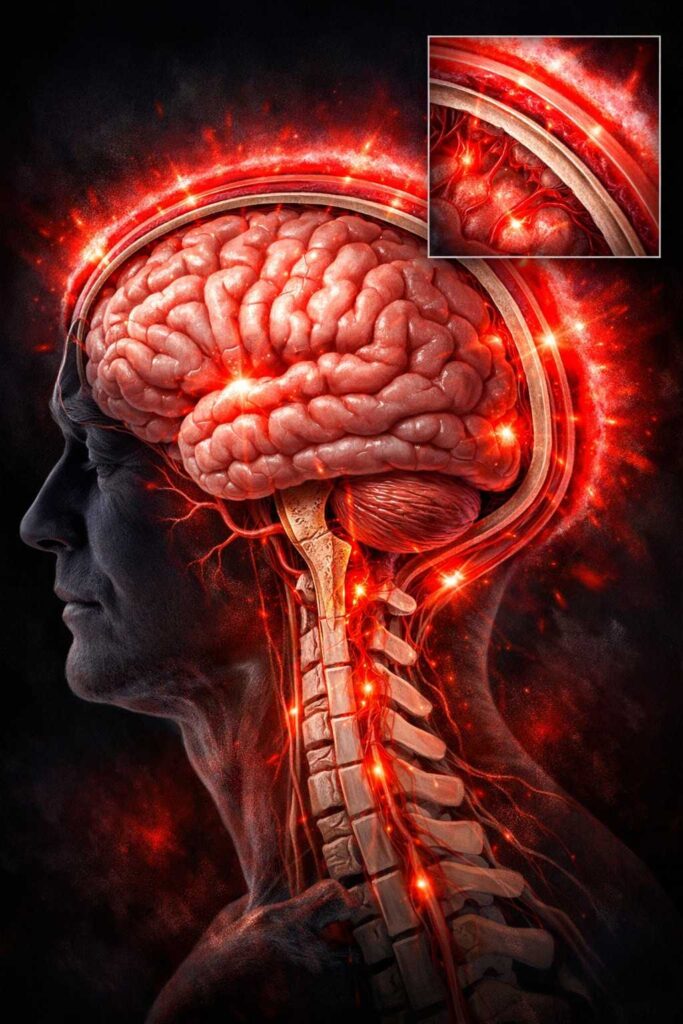
Meningitis symptoms can appear suddenly and become life-threatening if not treated early. This condition affects the protective membranes of the brain and spinal cord and requires immediate medical attention.
Meningitis is a serious and potentially life-threatening medical condition that involves the inflammation of the meninges — the protective membranes covering the brain and spinal cord. It can affect individuals of all ages, but infants, children, and people with weakened immune systems are at higher risk.
Understanding meningitis is crucial because early diagnosis and treatment can significantly reduce complications and save lives. In this detailed guide, we will explore everything you need to know about meningitis, including its types, causes, symptoms, diagnosis, treatment, and prevention.
Meningitis can also impact mental health, leading to long-term psychological effects similar to those seen in mental illness.
What is Meningitis?
Meningitis is the inflammation of the meninges, which are three layers of tissue that surround and protect the brain and spinal cord. When these membranes become infected, it leads to swelling that can damage brain cells and disrupt normal neurological functions.
Meningitis can develop rapidly and become severe within hours, making it a medical emergency in many cases.Some viruses, like the Nipah virus, can also affect the brain and cause severe neurological conditions.
Types of Meningitis
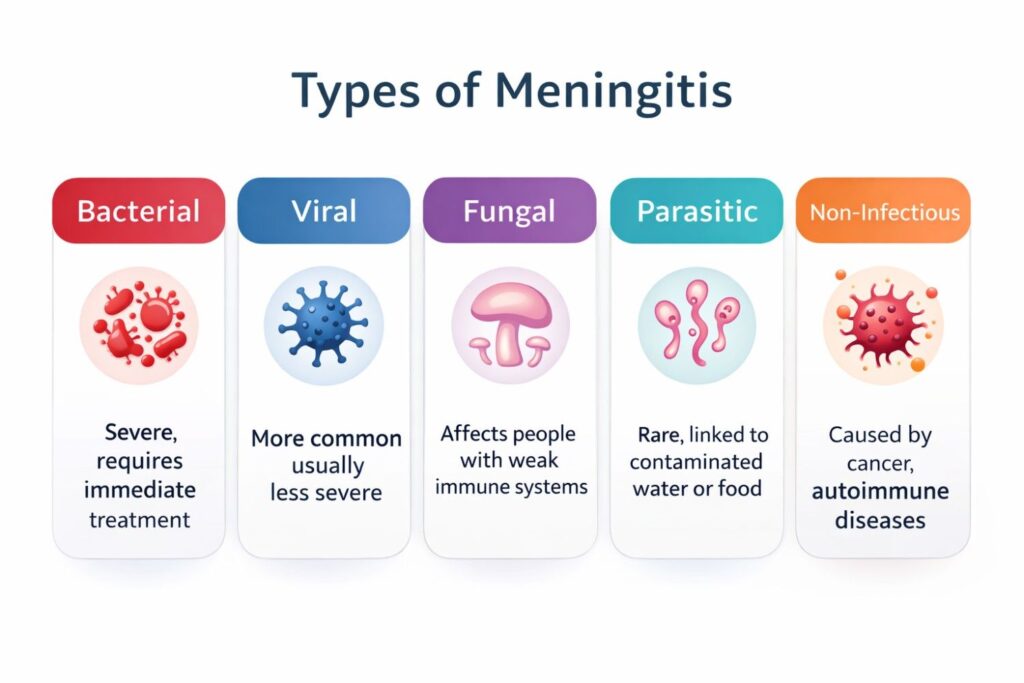
There are several types of meningitis based on the cause of infection:
1. Bacterial Meningitis
This is the most severe and life-threatening form of meningitis. It requires immediate medical attention.
Common causes:
- Streptococcus pneumoniae
- Neisseria meningitidis
- Haemophilus influenzae
Key characteristics:
- Rapid onset
- High fever
- Severe complications if untreated
2. Viral Meningitis
This is more common but usually less severe than bacterial meningitis.
Causes:
- Enteroviruses
- Herpes simplex virus
- Mumps virus
Key characteristics:
- Mild symptoms
- Often resolves without specific treatment
3. Fungal Meningitis
A rare form, mostly affecting people with weakened immune systems.
Causes:
- Fungi present in soil and environment
4. Parasitic Meningitis
Very rare and often linked to contaminated water or food.
5. Non-Infectious Meningitis
Caused by:
- Cancer
- Autoimmune diseases
- Certain medications
Causes of Meningitis
Meningitis occurs when microorganisms enter the bloodstream and travel to the brain and spinal cord. Common transmission methods include:
- Respiratory droplets (coughing, sneezing)
- Close contact (kissing, sharing utensils)
- Contaminated food or water
- Poor hygiene
Common Meningitis Symptoms
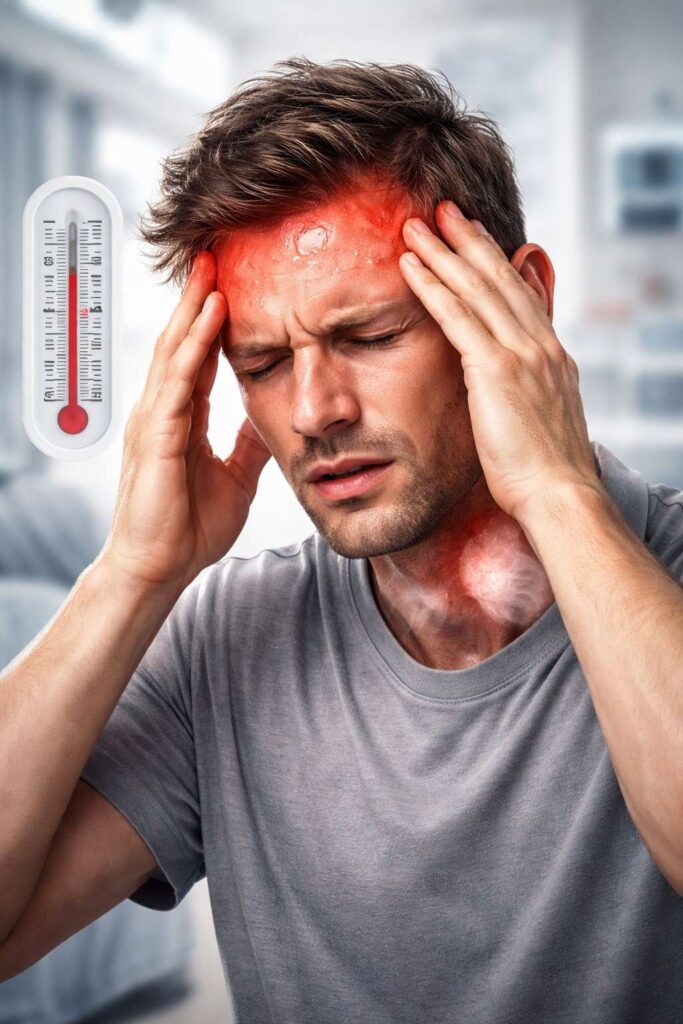
Symptoms can vary depending on age and type but often include:
Common Symptoms:
- High fever
- Severe headache
- Neck stiffness
- Sensitivity to light (photophobia)
- Nausea and vomiting
- Confusion or difficulty concentrating
- Seizures
- Cold hands and limbs
Symptoms in Infants:
- Bulging soft spot (fontanelle)
- Excessive crying
- Poor feeding
- Vomiting
- Difficulty waking up
- ⚠️ Emergency Warning Signs:
- Difficulty breathing
- Loss of consciousness
- Persistent seizures
- Purple skin rash (especially in meningococcal meningitis)
How is Meningitis Diagnosed?
Early diagnosis is essential. Doctors use several methods:
1. Physical Examination
Checking for neck stiffness and neurological signs.
2. Lumbar Puncture (Spinal Tap)
A sample of cerebrospinal fluid (CSF) is taken to detect infection.

3. Blood Tests
To identify bacteria or viruses.
4. Imaging Tests
- CT Scan
- MRI
Treatment of Meningitis

Proper recovery also depends on strong immunity, which can be improved through nutrition and fitness.
Treatment depends on the type of meningitis:
Bacterial Meningitis:
- Immediate hospitalization
- Intravenous antibiotics
- Corticosteroids to reduce inflammation
Viral Meningitis:
- Rest and hydration
- Pain relief medications
- Usually resolves on its own
Fungal Meningitis:
- Antifungal medications
Complications of Meningitis
If not treated promptly, meningitis can lead to serious complications such as:
- Brain damage
- Hearing loss
- Memory problems
- Learning disabilities
- Seizures
- Death in severe cases
Prevention of Meningitis
Preventive measures are highly effective:
1. Vaccination

Vaccines are available for major causes:
- Meningococcal vaccine
- Pneumococcal vaccine
- Haemophilus influenzae type b (Hib) vaccine
2. Maintain Good Hygiene
- Wash hands regularly
- Avoid sharing personal items
3. Healthy Lifestyle
- Strong immune system reduces risk
- Maintaining a healthy lifestyle through balanced diet and exercise, as explained in our nutrition and fitness guide, can help strengthen the immune system.
4. Avoid Close Contact
With infected individuals
Who is at Risk?
High-risk groups include:
- Infants and young children
- Elderly individuals
- Students living in hostels
- People with weak immune systems
- Travelers to high-risk areas
When to See a Doctor?
Seek immediate medical help if you or someone else experiences:
- High fever with stiff neck
- Severe headache
- Confusion or unconsciousness
- Sensitivity to light
- Seizures
Early treatment can save life and prevent complications.
Conclusion
Meningitis is a serious but preventable and treatable condition if detected early. Awareness of symptoms, timely medical care, and proper vaccination are key to reducing the risks associated with this disease.
Always take symptoms seriously and consult a healthcare professional without delay if meningitis is suspected.
(FAQs)
1. What is meningitis?
Meningitis is a serious medical condition where the protective membranes around the brain and spinal cord become inflamed, usually due to infection.
2. What are the early symptoms of meningitis?
Early symptoms include high fever, severe headache, neck stiffness, nausea, sensitivity to light, and confusion. In some cases, symptoms can appear suddenly and worsen quickly.
3. What causes meningitis?
Meningitis can be caused by bacteria, viruses, fungi, or parasites. The most dangerous type is bacterial meningitis, which requires immediate medical treatment.
4. Is meningitis contagious?
Yes, some types of meningitis (especially bacterial and viral) can spread through coughing, sneezing, or close contact like sharing utensils.
5. How is meningitis diagnosed?
Doctors usually diagnose meningitis through physical examination, blood tests, and a lumbar puncture (spinal tap) to analyze cerebrospinal fluid.
6. Can meningitis be cured?
Yes, meningitis can be treated, especially if detected early. Bacterial meningitis is treated with antibiotics, while viral meningitis often improves with rest and supportive care.