

Introduction
The future of internet is rapidly evolving with advanced technologies like 6G and Cloud 3.0. These innovations are set to transform how we connect, communicate, and interact online.
The internet has evolved rapidly over the past few decades—from slow dial-up connections to lightning-fast 5G networks. But the next big leap is already on the horizon. Technologies like 6G and Cloud 3.0 are set to redefine how we connect, communicate, and interact with the digital world.
According to the International Telecommunication Union, next-generation networks like 6G will play a major role in shaping the future of global connectivity.
In this blog, we’ll explore what 6G and Cloud 3.0 are, how they work, and most importantly, how they will benefit users, businesses, and students in the coming years.
If you’re interested in broader trends, you can also explore our detailed guide on Future of Technology and how AI Automation is transforming industries.
What is 6G Technology?
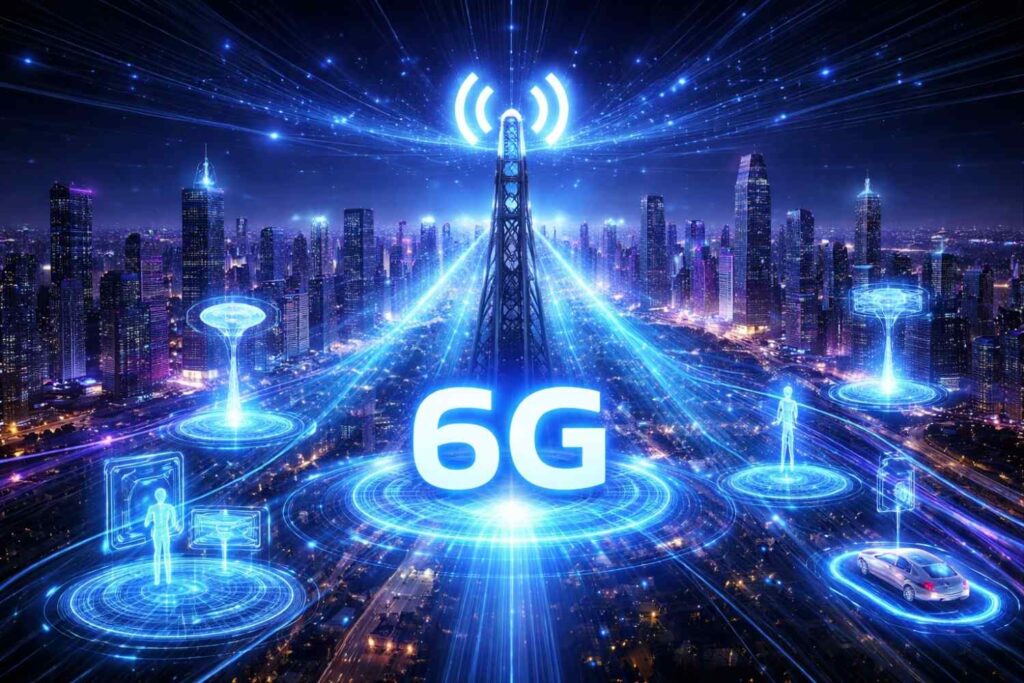
6G (sixth-generation wireless technology) is the next evolution after 5G. While 5G brought faster speeds and low latency, 6G aims to go far beyond that.
Research shows that 6G could be up to 100 times faster than 5G.
As AI continues to evolve, tools like those discussed in our Future of AI Automation guide are already changing how systems operate. You can also learn how to identify AI-generated content in our DeepSeek Detect article.
Key Features of 6G:
- Ultra-fast speeds (up to 100x faster than 5G)
- Near-zero latency (real-time communication)
- AI-powered networks
- Support for advanced technologies like holograms and smart environments
Simple Explanation:
If 5G lets you stream videos instantly, 6G will allow you to experience virtual reality and holograms in real-time without any delay.
What is Cloud 3.0?

Cloud 3.0 is the next generation of cloud computing. It goes beyond storing data online—it makes systems smarter, faster, and more decentralized.
Cloud computing is evolving into more intelligent and decentralized systems.
Key Features of Cloud 3.0:
- Decentralized cloud (less dependence on central servers)
- AI integration for smart processing
- Enhanced data security and privacy
- Faster data access from anywhere
Simple Explanation:
Instead of your data being stored in one place, Cloud 3.0 distributes it across multiple smart systems, making it faster and more secure.
6G vs 5G: What’s the Difference?
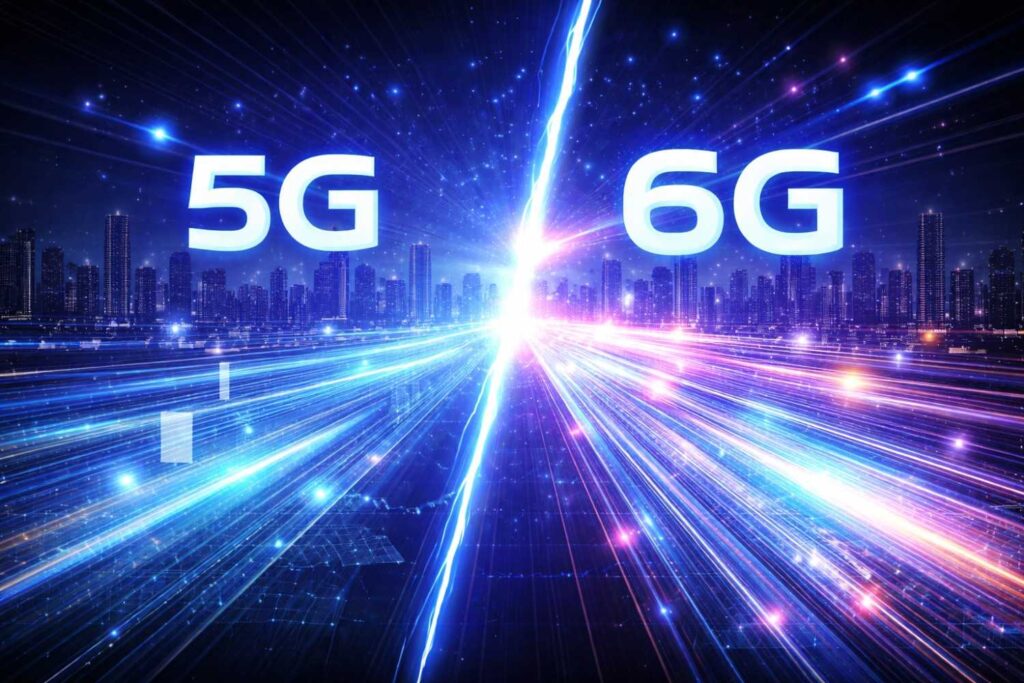
Future wireless technologies will significantly improve speed and performance.
| Feature | 5G | 6G (Future) |
|---|---|---|
| Speed | Fast | Ultra-fast |
| Latency | Low | Near zero |
| Intelligence | Limited AI | Fully AI-driven |
| Experience | Streaming, IoT | AR/VR, holograms |
How 6G and Cloud 3.0 Will Work Together
The real power comes when 6G and Cloud 3.0 combine.
- 6G provides ultra-fast connectivity
- Cloud 3.0 provides intelligent processing
Together, they enable:
- Real-time AI applications
- Smart cities
- Autonomous systems
- Immersive digital experiences
Real-Life Applications (Future Use Cases)

1. Smart Cities
Traffic, electricity, and security systems will be fully automated using AI and real-time data.
2. Healthcare Revolution
Doctors will perform remote surgeries with zero delay using 6G.
3. Education Transformation
Students will attend classes in virtual reality classrooms, making learning more interactive.
4. Gaming & Entertainment
Imagine playing games in a fully immersive 3D world with no lag.
Benefits for Users
1. Faster Internet Experience
No buffering, no delays—everything will be instant.
2. Better Security
Cloud 3.0 ensures safer data with decentralized systems.
3. Smarter Applications
Apps will become more intelligent using AI and real-time processing.
4. Global Connectivity
Even remote areas will have access to high-speed internet.
To make the most of these advancements, explore our curated list of Best Apps for Users that enhance productivity and daily life.
Benefits for Students
- Access to advanced learning tools
- AI-powered study assistants
- Virtual classrooms and labs
- Faster research and downloads
- Students can take advantage of modern platforms—check out our list of Best Tools for Students and explore Online Earning Platforms to start making money online.
Benefits for Businesses
- Improved automation
- Real-time decision making
- Better customer experience
- Cost-efficient cloud solutions
Challenges and Risks
While the future looks exciting, there are challenges too:
- High infrastructure cost
- Data privacy concerns
- Need for advanced security systems
- Technology adaptation time
Conclusion
The future of the internet is not just about speed—it’s about intelligence, connectivity, and experience. With 6G and Cloud 3.0, we are moving toward a world where everything is connected, smart, and real-time.
For students, professionals, and businesses, this transformation will open new opportunities and redefine how we live and work.
FAQ
1. What is 6G technology?
6G is the next generation of wireless technology after 5G, offering ultra-fast speeds, near-zero latency, and AI-powered connectivity.
2. How is 6G different from 5G?
6G is expected to be up to 100 times faster than 5G, with real-time communication and advanced features like holographic interactions and smart environments.
3. What is Cloud 3.0?
Cloud 3.0 is the future of cloud computing that uses decentralized systems, AI integration, and enhanced security to provide faster and smarter data access.
4. How will 6G and Cloud 3.0 work together?
6G will provide ultra-fast internet, while Cloud 3.0 will process data intelligently, enabling real-time applications like smart cities, AI systems, and virtual reality.
5. When will 6G be available?
6G is expected to roll out commercially around 2030, but research and development are already in progress.
6. What are the benefits of Cloud 3.0?
Cloud 3.0 offers better security, faster performance, decentralized storage, and AI-powered automation for users and businesses.
7. How will the future internet impact students?
Students will benefit from virtual classrooms, AI tutors, faster research tools, and immersive learning experiences.